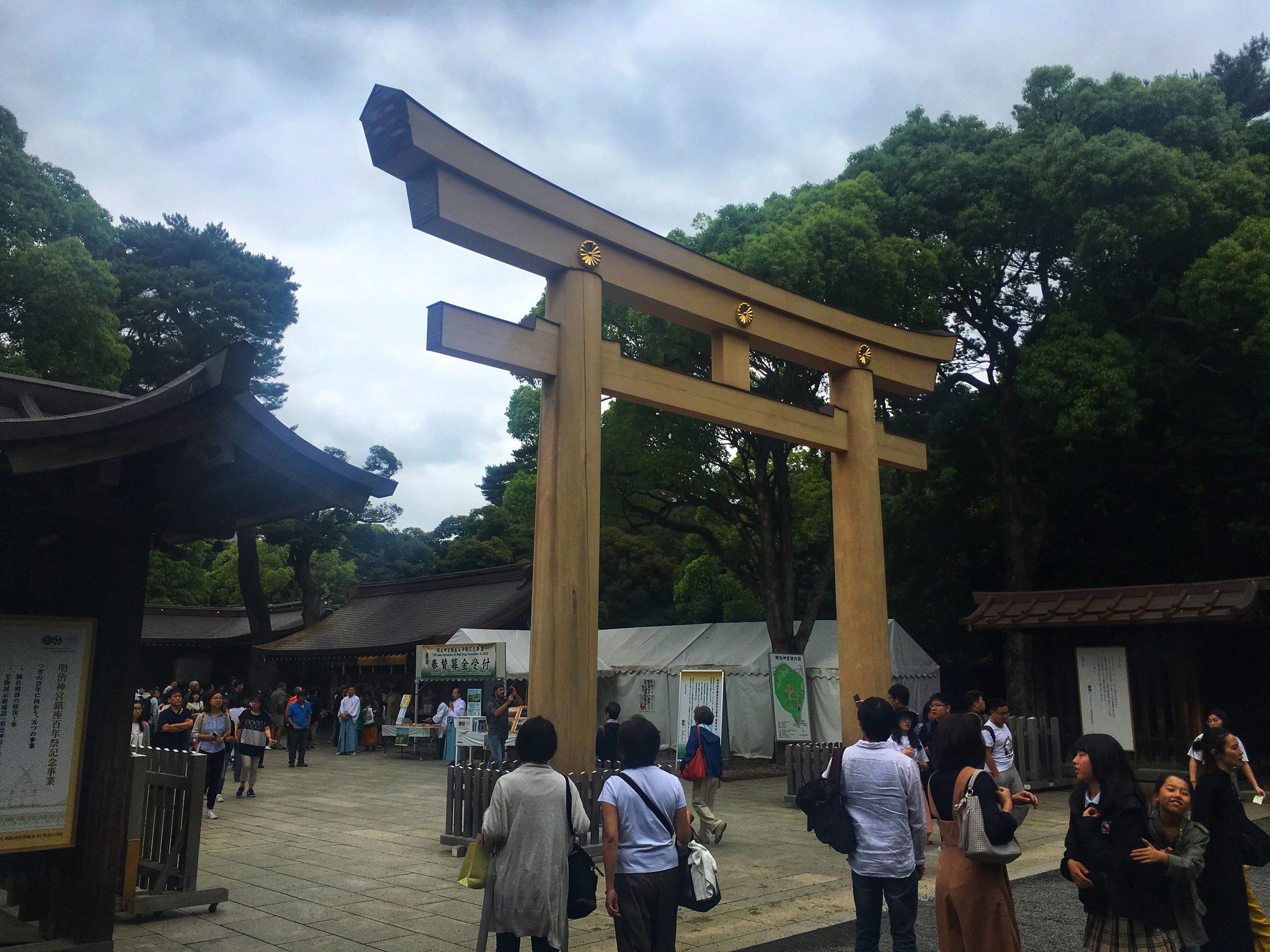
Located right in the heart of Tokyo’s busy, wild, and mega-hip Shibuya neighborhood, the historic Meiji-jingu (Meiji Imperial Shrine) is surprisingly peaceful and reverent. The shrine, one of Tokyo’s most important spiritual sites, is dedicated to the spirit of Emperor Meiji (1867-1912), and is free to visit.

Here, visitors can receive a cosmic blessing from one of the city’s most famous “Power Spots”, discover offerings from Japan’s traditional sake brewers, and maybe get the chance to witness a very traditional Japanese wedding!

The Meiji Imperial Shrine (Meiji-jingu), Shibuya, Tokyo, Japan
The Meiji Shrine was constructed between 1915 and 1921 following the death of Emperor Meiji. The Meiji Shrine is not the tomb of Emperor Meiji and Empress Shōken, who are buried at an imperial tomb near Kyoto. Instead, the Meiji imperial Shrine in Tokyo is dedicated to the enshrined spirits of the Emperor and Empress.
The original shrine was destroyed in the bombing of Tokyo during the Second World War, but was rebuilt according to the original design in 1958.
Meiji-jingu is made up of several sections and set amid a beautiful garden. The grounds surrounding the shrine are so quiet and peaceful that it’s almost hard to believe that you’re just a few steps away from Shibuya, one of the busiest and most crowded places in the entire world!

Though it’s free to visit the shrine, visitors can pay an extra 500 yen to enter and explore the Inner Garden, the site of the shrine’s famous iris gardens. A path winds through the gardens, and is so well laid out that even when it’s crowded, it almost feels like you are nearly alone.

Within the Inner Garden, you’ll also find Kiyomasa’s Well, a supposedly magical power spot where visitors can receive a blessing from nature.


If you’re lucky, you may get to witness a traditional Shinto wedding. The Meiji Shrine is a popular place to get married in Japan, and there is a wedding held nearly every day. You can watch some of the proceedings from outside, but I encourage you to be respectful to those getting married by refraining from taking photos or being intrusive on their wedding day.
What’s up with the sake barrels at the Meiji Shrine?
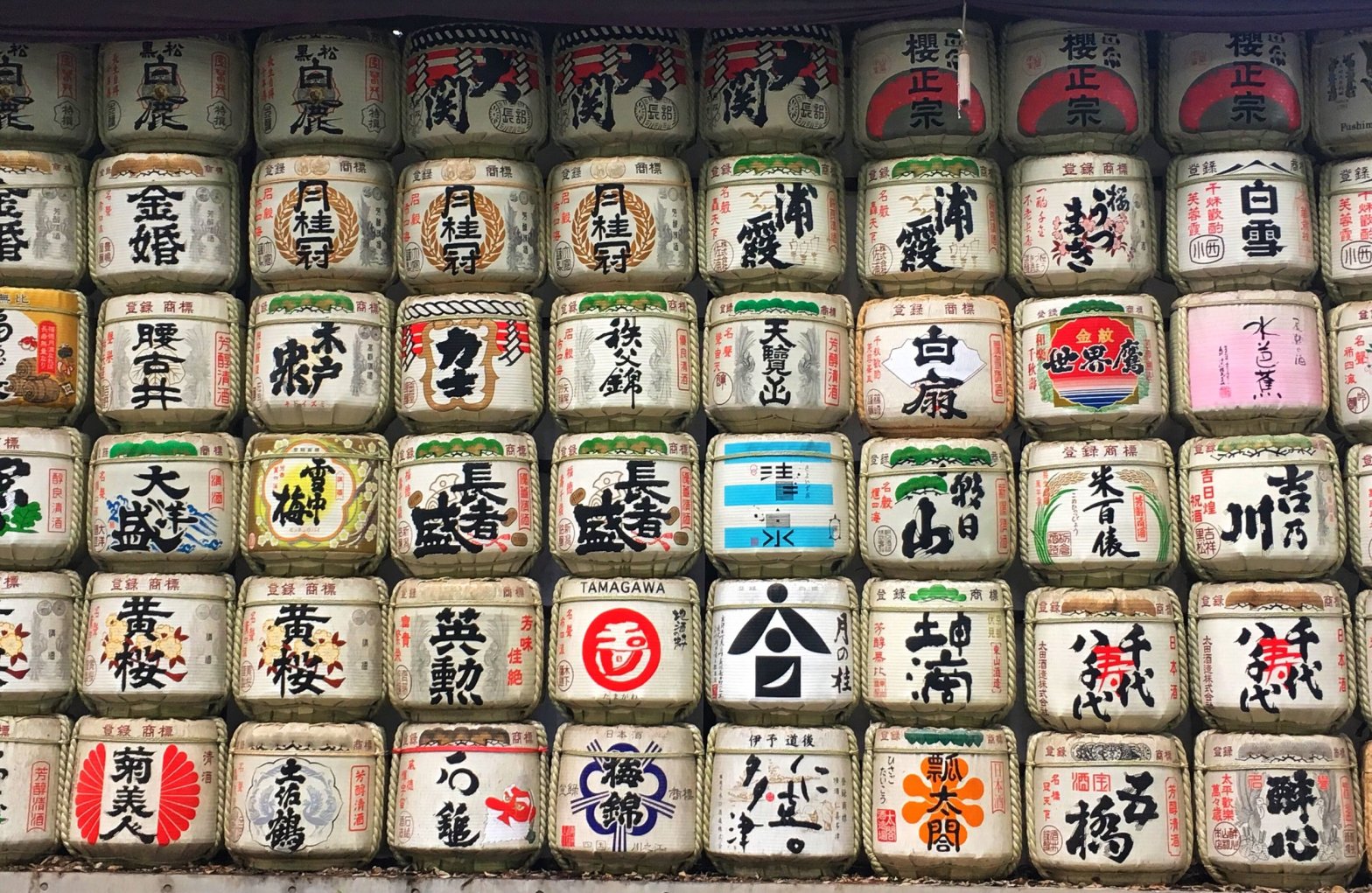
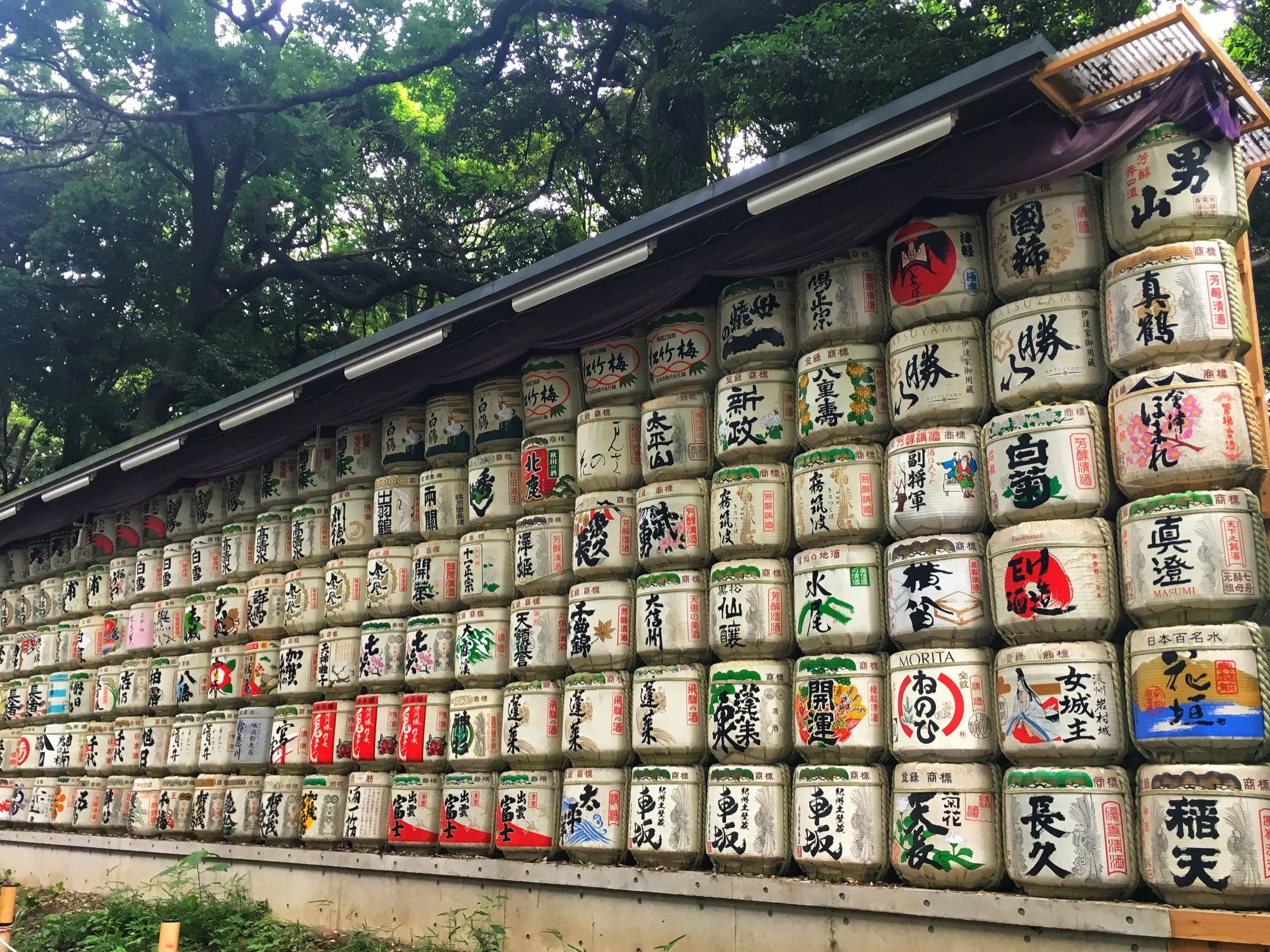
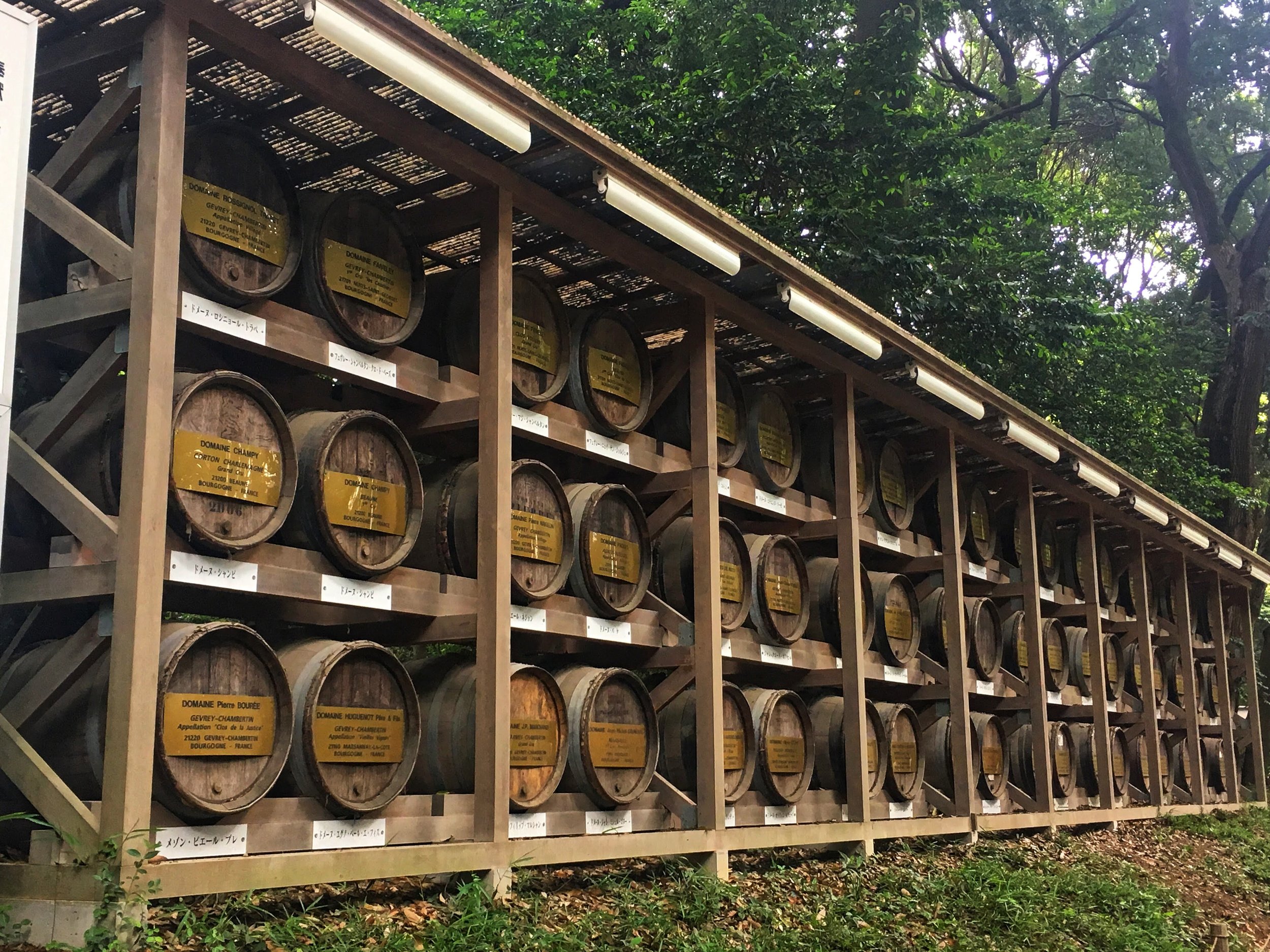
As you’re approaching the shrine, you’ll pass a segment of the path that is lined on one side by colorful barrels of sake and on the other by large barrels of French wine. Every year, Japan’s great sake brewers each donate barrels of sake to the shrine to be used in traditional ceremonies.
Sake has long been seen as a connection between the people and the gods in Japan, so every year, the country’s sake brewers donate barrels of their rice wine to the enshrined spirits who are believed to reside at the shrine. The sake is used throughout the year in rituals and festivals.
The kanji character for sake is a combination of the words “god” and “wine”. In Japan, drinking sake at a shrine or temple is supposed to bring you closer to the gods and spirits.
Emperor Meiji is celebrated as being the emperor to open Japan’s borders after its centuries of isolation. He is viewed as a relatively Western, progressive, and forward-thinking Emperor, and was reportedly fond of French wine.
To celebrate this, the great vineyards of Burgundy, France have joined in the offerings along with the sake brewers of Japan by donating barrels of their finest wines to the shrine every year too. It’s a symbol of friendship between the two countries.
How to get to the Meiji-jingu (Meiji Imperial Shrine)
The shrine is conveniently located just off of Shibuya Station in Tokyo. You can easily access it by JR or Tokyo. From the station, it’s just a short (and clearly-marked) walk to the Meiji Shrine.
The shrine is open daily from sunrise to sunset (the hours change depending on the season).
It is free to visit the shrine, but entering the Inner Garden to see the iris gardens and Kiyomasa’s well cost an additional 500 yen.
 LB convert