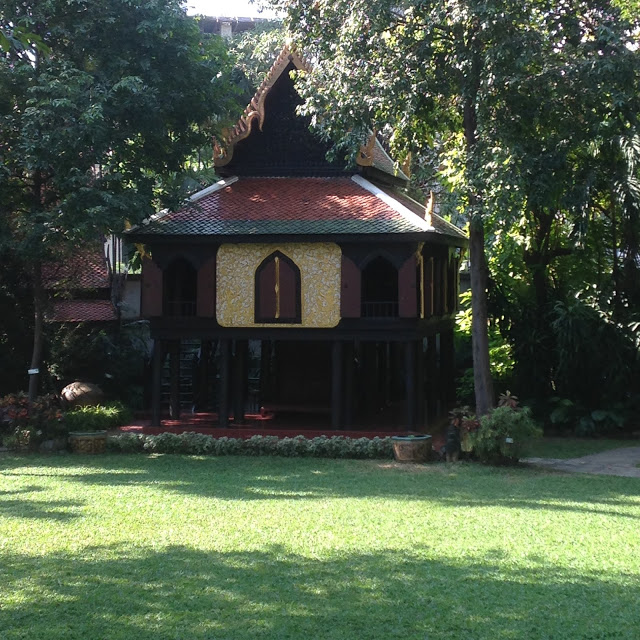
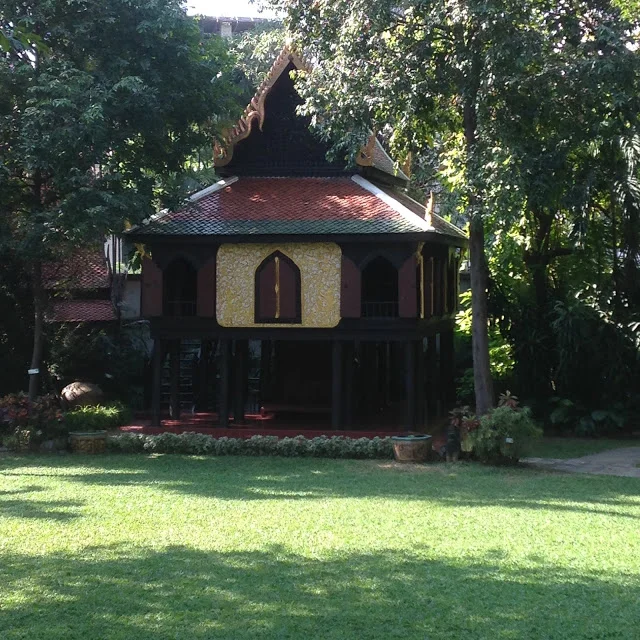
Suan Pakkad Palace – Small Wooden Palace in Bangkok near the Airport Rail Link

Suan Pakkad Palace – สวนผักกาด

Suan Pakkad Palace, translated into English as “The Cabbage Patch Palace”, is one of Bangkok’s dozens of minor palaces, and is today a museum of Thai arts and culture. Suan Pakkad is often overlooked in favor of other bigger and more impressive palaces, so the grounds are almost always quiet and peaceful. The palace is close to the Airport Rail Link Phayathai (Terminal) Station, so it’s even easy enough to visit during a short layover in the city. Although not many people visit Suan Pakkad, it’s really one of the more interesting and authentic sites to visit while in Bangkok.

Location of Suan Pakkad Palace

Suan Pakkad Palace is located just a short five or so minute walk from Airport Rail Link Phayathai Station and BTS Phayathai Station. The palace is located down Sri Ayudhya Road just past Phayathai 1 Hospital.

352-354 Sri Ayudhya Road, Rajathevi , Bangkok 10400 , Thailand

History of Suan Pakkad Palace

Suan Pakkad Palace was once home to Prince Chumbhotbongs Paribatra of Nakan Sawan. The prince’s home was converted into a museum by his widow after his death. It was opened to the public in the 1980s.

What is at Suan Pakkad Palace

Besides the beautiful and photogenic grounds, the palace is composed of a number of traditional teak wood buildings, each of which containing exhibits of traditional and rare Thai art and antiquities. The historic palace is made up of five traditional teak wood buildings. The oldest original building, the Lacquer Pavilion, dates back more than 450 years. One room is dedicated to traditional Thai musical instruments, and another is dedicated to traditional khon (Thai opera) masks. In each of the different pavilions, visitors will be given a close look at some traditional Thai arts and antiquities from the prince’s private collection.

Admission to Suan Pakkad Palace

Admission to the Suan Pakkad Palace Museum is 100 baht ($3).

Dress Code at Suan Pakkad Palace

Unlike at the Grand Palace, the dress code at Suan Pakkad is much more casual. Visitors should dress politely and appropriately, although there is no set dress code. Visitors are permitted to wear shorts.

Also in the area (Phayathai)

Suan Pakkad Palace is near Phayathai 1 International Hospital. It is also quite close to Airport Rail Link Phayathai (Terminal) Station and BTS Skytrain Phayathai Station. Nearby are Victory Monument BTS, Ratchathewi BTS, and Siam BTS, where you can find lots of cafes, shopping malls, and restaurants. The palace is within a short walk of the BTS and ARL station.

Important information about Suan Pakkad Palace


The Suan Pakkad Palace Museum

  • 352-354 Sri Ayudhya Road, Rajathevi , Bangkok 10400 , Thailand
  • Museum hours : Daily. 9.00 – 16.00 hrs.
  • Tel. : (662) 246-1775-6 # 229, 245-4934
  • Email : info@suanpakkad.com

http://www.suanpakkad.com/main_eng.php

Everything You Need to Know about the JR Pass (Japan Rail)

What is the JR Pass?

The JR(Japan Rail) Pass is Japan’s rail pass available to visitors to the country. The pass is valid for 7, 14, or 21 days, and guarantees unlimited travel on all JR-operated trains (including bullet trains), buses, and select ferries across the country. Travelers on a budget can save a lot of money by purchasing a JR pass.

How much does the JR Pass cost?

There are two classes of JR Pass, Green (first-class) and Ordinary. Green cars on JR trains have nicer amenities and are more expensive. Green cars require a reservation, whereas ordinary class has both reserved and unreserved cars.

Green (First Class) JR Pass Prices

  • 7-day: $350
  • 14-day: $567
  • 21-day: $738

Ordinary Class JR Pass Prices

  • 7-day: $263
  • 14-day: $418
  • 21-day: $535

Is it worth it?

Absolutely! The JR Pass is expensive, but it is definitely worth its price. Japan can be a very expensive country to visit, and transportation can eat up a large portion of your budget in Japan.

For example, if you want to travel from Narita Airport in Tokyo to Kyoto Station, you’ll have to take the Narita Express (about $30 each way) into Tokyo, and then the Shinkansen bullet train from Tokyo to Kyoto Station (about $120 each way). Even if you only plan to visit Tokyo and Kyoto, the 7-day pass pays for itself after one round trip.

During the pass’ validity period, you can take unlimited trips on any JR train, including the Shinkansen bullet train! You can reach nearly any part of Japan in just a few hours by bullet train, making it even possible to take day trips to parts of the country that you might not otherwise be able to visit.

Who can get a JR Pass?

The JR Pass is only available to foreigners visiting Japan with a tourist visa.

How to buy a JR Pass

You have to purchase your JR Pass outside of Japan before entering the country. This can be done through a travel agent or through an online agent. When you purchase your pass, you’ll be given an exchange order that you must take to the Japan Rail office at the airport in Japan to exchange for a valid JR Pass.

You can order a JR Pass through JRailPass, our affiliate partner HERE*

How to use a JR Pass

Once you have received your JR Pass from the Japan Rail office at the airport, you have one month to “activate” it by using it to take a trip. Once it has been activated, you have 7, 14, or 21 days of unlimited travel on the JR lines to use your pass. Try to use it as much as possible to get as much value out of the pass as you can!

You can use your pass for a reserved or unreserved seat. To reserve a seat on a train, take your pass to the JR office at any train station and tell them your destination. You will be given a ticket.

Alternately, simply use your pass to take a seat on an unreserved car by walking through the turnstile at the station marked for JR Pass holders, and present your pass to the official. Make sure that you board an unreserved shinkansen car, and take a seat wherever you want.

Traveling on the Shinkansen (Bullet Train)

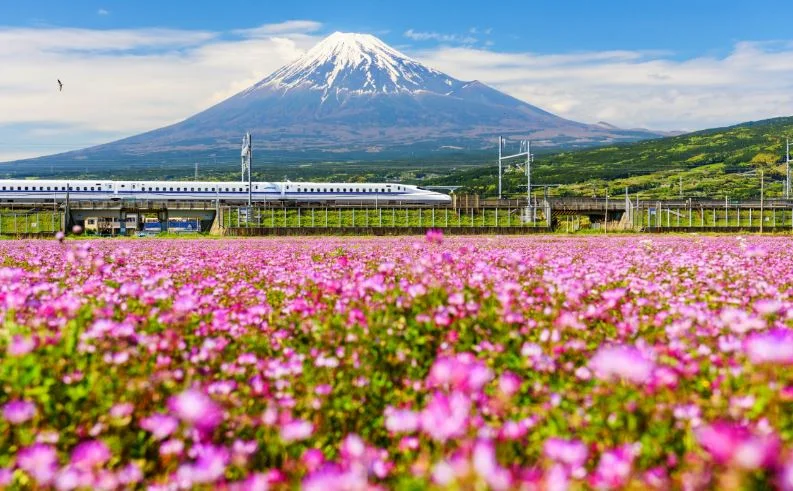
Though the pass can be used on any JR train, traveling by Shinkansen, Japan’s fast and futuristic bullet train, is the best way to get across the country in speed and comfort.

Even ordinary class is quite comfortable. Seats have access to AC outlets, and the cars are frequently serviced by staff selling snacks and hot tea, coffee, and beer. There’s nothing quite as nice as sipping a delicious Japanese beer on a bullet train while watching the countryside speed past. The Shinkansen between Tokyo and Kyoto takes about 3.5 hours, and the trip between Kyoto and Osaka takes about 15 minutes.

Giving Alms to Monks in Thailand

It’s 6:00 am, and Bangkok is quiet. A group of saffron-robed monks, metal bowls in hand, walk serenely, single-file and barefooted through the dim light of early morning. These monks are on their daily alms rounds, and locals and visitors to Thailand alike may participate in this special daily ceremony.

 Monks on their daily alms round

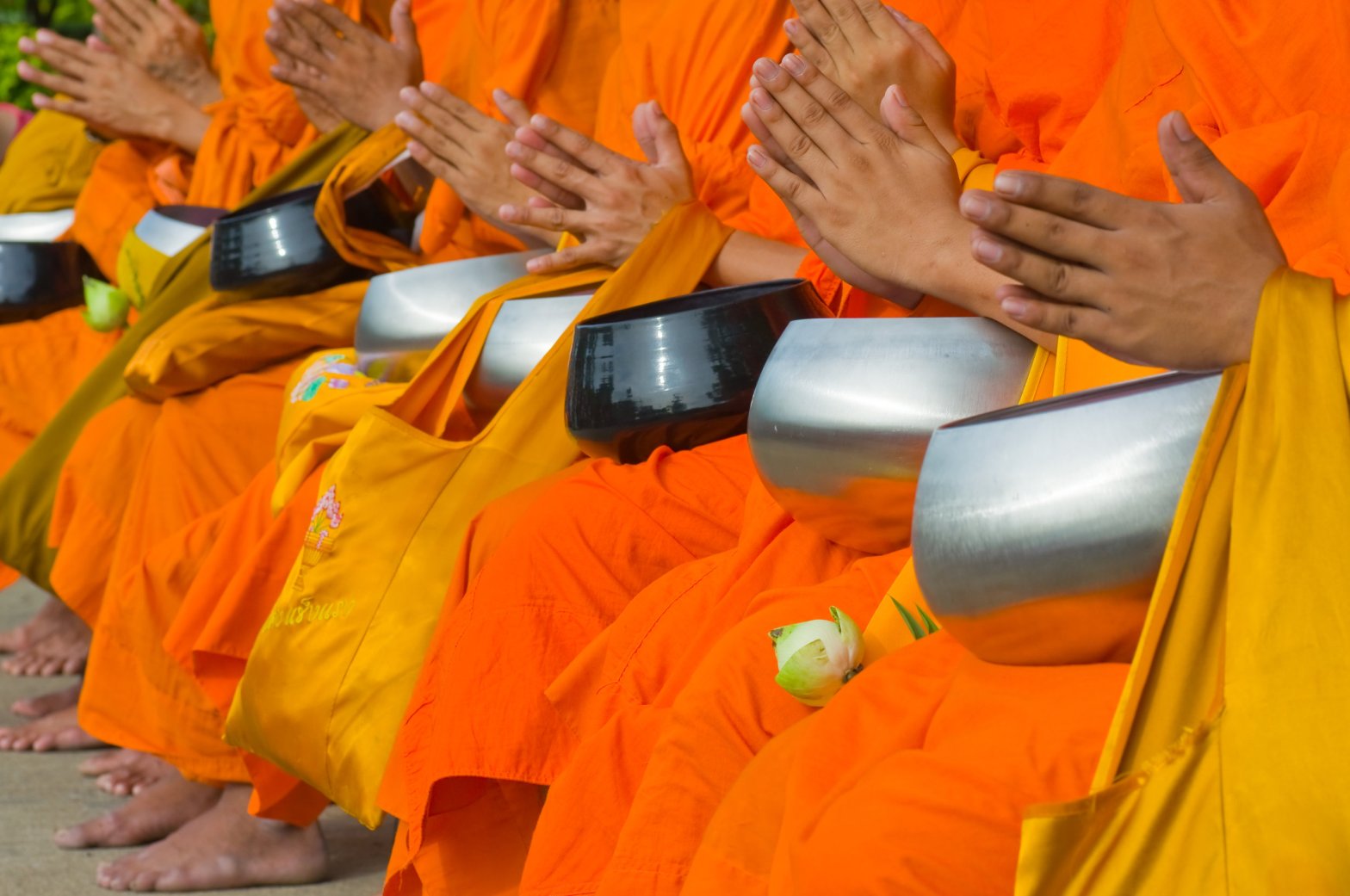
For an hour or so after dawn, Buddhist monks will walk on their rounds along the streets and neighborhoods surrounding their monastery. Monks are not allowed to prepare their own food; they depend entirely on donations from the laity. The abbot or senior monk will walk first in line, and junior monks will walk behind him in order of seniority. They may not beg or ask for food. Instead, the monastic community relies on the generosity of the people to  sustain them.

Even if you are not Thai or Buddhist, you are welcome to make a donation to the monks to receive a blessing and “make merit” for good karma.

To make a donation to the monks, prepare rice, fruits, or some vegetable dish (monks should not eat meat) and join the devout Buddhists in the neighborhoods surrounding a temple early in the morning. You can even wait just outside the temple itself if you don’t know the route the monks take. As the monks approach on their alms rounds, remove your shoes, lower your head, and offer a “wai” (the Thai prayer-like gesture of greeting and respect). The monk will open his alms bowl, and you should place your offering inside. The monk will then offer a short blessing.

 Monks receiving alms

Even if you are not Buddhist, you can participate in this daily ritual. Donating to monks may be a way for the devout to accumulate good karma, but its also a good way for visitors and locals alike to really become a part of the community.

Pu Chi Fa – Hiking to the Sea of Fog in Chiang Rai Province, Thailand

Pu Chi Fa Forest Park – ภูชี้ฟ้า – Chiang Rai Province, Thailand

It’s 6:00 in the morning, and I’m already dead tired. We’ve been hiking steadily uphill for an hour already, and my legs are burning from the steep climb. The predawn air is cool, but I’m soaked with sweat. This had better be worth it, I grumble to myself.

A park ranger, smartly dress in his official uniform, zips up to us on his motorbike. “Exercising?” he laughs.

“No”, I tell him, “we wanted to see the sunrise”

“Just one kilo!” he urges us on, then speeds off.

Finally, we arrive at the parking lot of the Pu Chi Fa Forest Park, where the road ends and the steep, muddy, final kilometer heads directly up the mountain, past a small hill tribe market. We purchase water and hot coffee, resting for just a moment, then continue on our way.

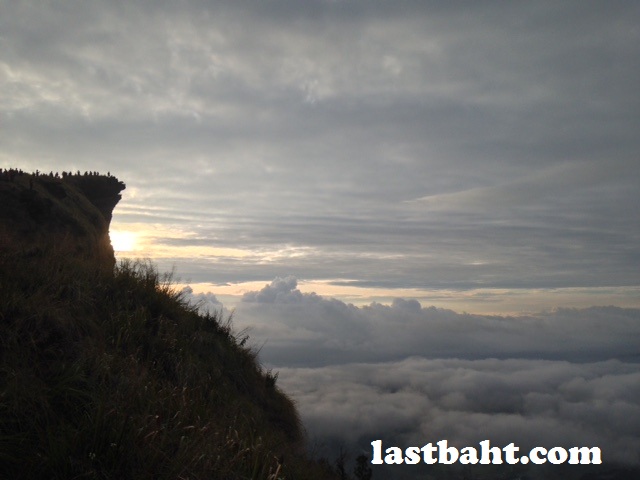
When we finally arrive at the top of Pu Chi Fa, the “Mountain that Points to the Sky”, we are exhausted from the climb, drenched in sweat, and I’m feeling more than a little grumpy. All of that is gone, however, when I see the view before me.

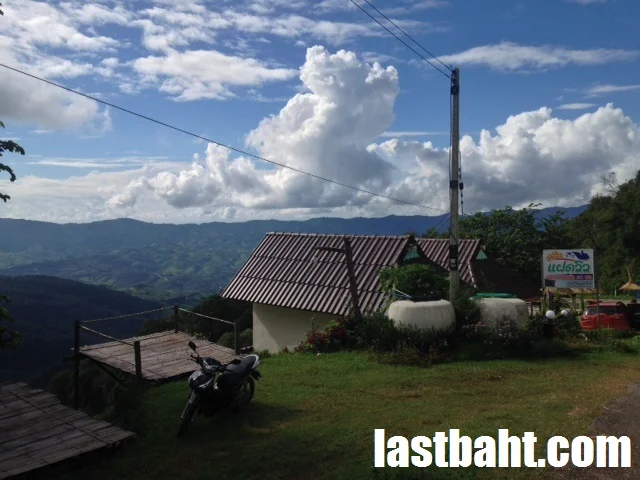
Pu Chi Fa is a famously beautiful mountain on Thailand’s remote far northern border with Laos in Chiang Rai Province. It’s not so easy to get there, especially without a car, but it can be done. Making the trek on foot, though doable, is not advised! Visitors, mostly Thai but a few foreigners, arrive early in the morning in the cooler months from October to February to witness the sunrise over the famous Sea of Fog.

Getting to Pu Chi Fa

Many visitors stay in Chiang Rai and wake up hours before the dawn to drive a rented motorbike (dangerous!) up the dark, winding mountain roads. Another, better option is to join one of the sunrise package tours departing each morning from 4:30am (ask your hotel or guesthouse for details).

If you want to go on your own, however, you can have a great experience by sleeping at one of the tiny guesthouses up on the mountain. It’s a little harder to do the trip by yourself, but the rewards are worth it! Buses from Chiang Rai Bus Terminal are irregular, and often don’t run at all. Instead, go to the bus terminal (near the Night Bazaar) and board a bus or minibus for Thoeng District Bus Terminal. From there, barter with a waiting songtaew for transport up and down the mountain. It will take 1-1.5  hours to get from Chiang Rai to Thoeng, and another hour or so from Thoeng to Pu Chi Fah.

Getting to the Peak

It’s certainly possible to hike from the village to the peak, but expect a grueling, steep ascent along a dangerously dark and curving mountain road. Don’t do what we did!

Instead, you can make arrangements with your guesthouse to take you to the forest park (usually meet around 5:30 am) or take a public pickup (30-50 baht). The drive only takes around 10 minutes, but the hike can take 1-1.5 hours. You’ll want to leave early in order to make it to the peak by sunrise.

Note that the last leg (about 1km) is inaccessible by car. You’ll have to hike up the steep, muddy trail on foot in the dark. Be careful! The final path is slippery. There’s a small market at the parking area where you can buy water, coffee, cheap souvenirs, and snacks.

Along the trail, hill tribe (Hmong) children sing to hikers for tips.

When to Go

The best time to visit is during the cooler dry season from October to February. During the winter months, the sea of fog is at its most impressive, and temperatures at the mountain can get downright chilly!

Where to Stay

There are a number of tiny guesthouses at Ban Rom Fa Thai Village just outside Pu Chi Fa Forest Park. Most are simple private rooms without aircon (but it’s cool on the mountain, so you hardly need it) but with incredible views. These guesthouses generally don’t have websites, so you might need to ask around when you get to the top of the mountain. The songtaew drivers usually have a few recommendations (500-700 baht per night).

There are also small campsites that can be rented for 200-400 baht per night. Bring your own tent!

There area only a few small shops with bottled water and simple things like chips, instant coffee, and instant noodles.

Most guesthouses have small family-run restaurants attatched, many of which offering amazing views of the valley below.

Budget

  • Bus from Chiang Rai to Thoeng- 100 baht
  • Songtaew up the mountain including return the next day – 800 baht (this can be done more cheaply during peak season when you can share a songtaew with other travelers)
  • Guesthouse at the village on the mountain (600 baht)
  • Food/drink – 200-400 baht

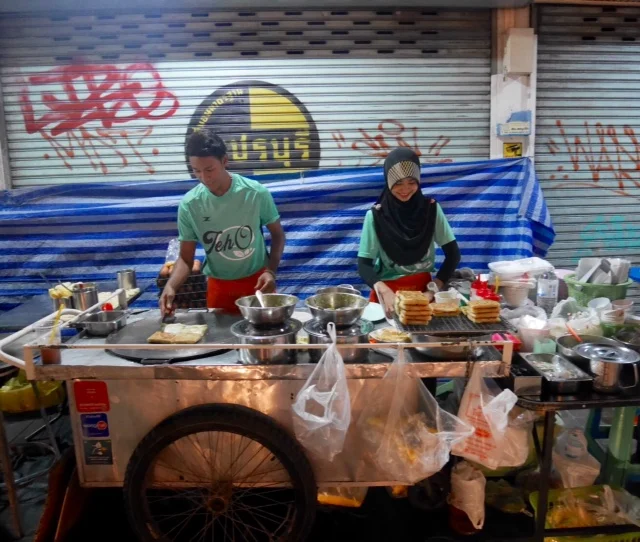
Roti at Teh O on Petchburi Road: BKK Street Food

Bangkok is world-renowned for its street food, and some of the best can be found along Petchburi Road, not far from downtown. Petchburi Road is within walking distance of BTS Ratchathewi, BTS Phayathai, and Airport Rail Link Phayathai Terminal Station.

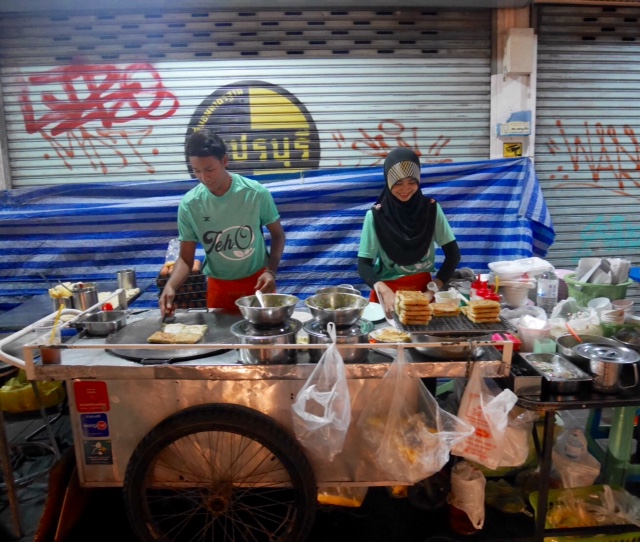
Teh O (the name means “Sugar Tea”) is an outdoor restaurant serving roti and other Thai Muslim dishes. It’s nothing fancy, visitors sit on short plastic stools along the side of the street, but the food is cheap, authentic, and absolutely delicious!

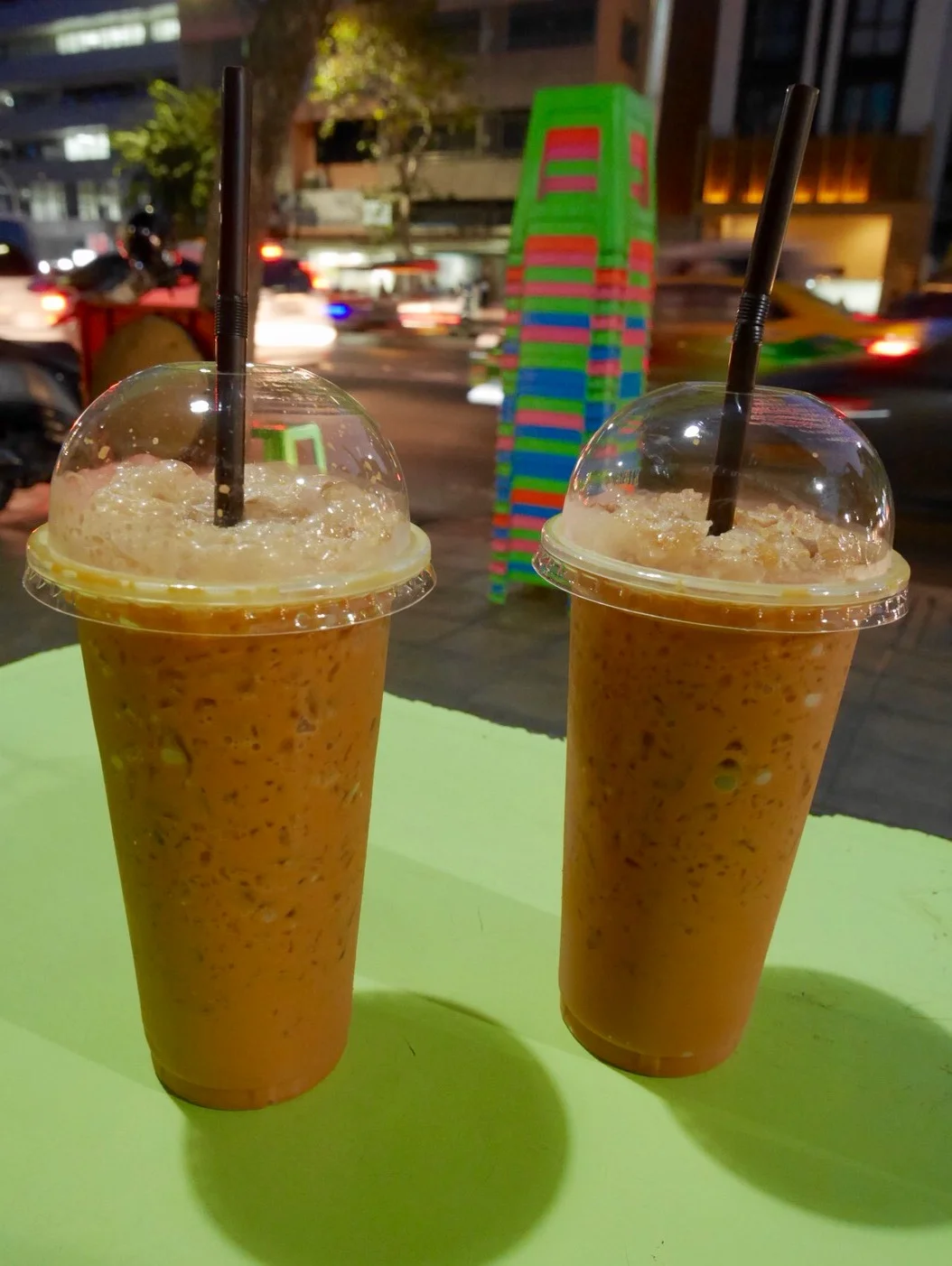
Asking the staff for their recommendations, we ordered three dishes to share and a couple of iced “teh tarik” (milk tea). The bill came out to 160 baht (about $5) for two people. Not bad for getting absolutely stuffed!

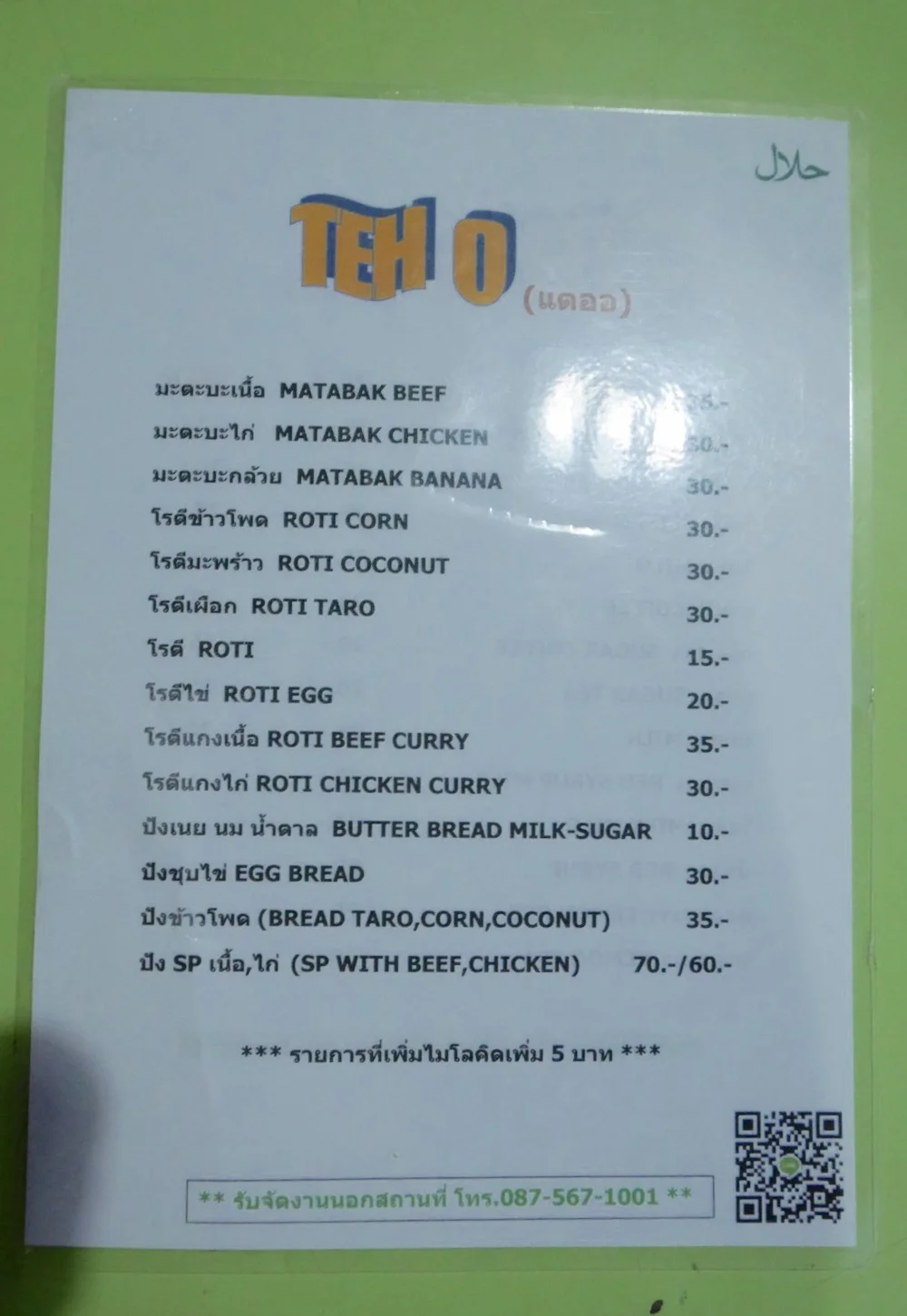
The first thing we ordered was the chicken matabak (30 baht), a sort of doughy bread or pancake stuffed with chicken curry. This was my personal favorite dish! If you only order one thing at Teh O, make it the chicken matabak!

Next up was chicken curry roti (30 baht), crispy flatbread served with a sweet yellow curry for dipping. Roti is one of Teh O’s specialities, and one of the dishes that makes this little restaurant so famous.

The server also recommended that we order a sweet matabak for desert. We ordered a corn matabak drizzled with sweetened condensed milk (30 baht). Once you’ve been living in Thailand for a while, you’ll find that sweet corn and condensed milk is a popular dessert combo. Try it! It’s great!

We washed the meal down with a “teh tarik”, a sweet iced tea (35 baht each).

Teh O serves a number of other drinks as well, including iced coffee and delicious lemon tea (but no beer, as this is a Muslim restaurant).

Our service was great! Even though the restaurant was busy, the service was quick and efficient, the staff was helpful and super friendly, and the food was incredible.

3 Unusual Attractions Near Bangkok: a Day in Samut Prakan

Samut Prakan Province is just east of Bangkok. Technically, nearly everyone who visits Thailand spends some time in Samut Prakan – that’s where Survarnabhumi BKK Airport is – but other than that, people don’t often make it out to this quiet, relatively suburban province just outside of Bangkok. With the upcoming opening of a new BTS Skyrain line stretching all the way out to Samut Prakan, the province is more accessible than ever. Here are three fun things to do for a day outside of Bangkok.

1. Mueang Boran (The Ancient City)

Mueang Boran, also known as The Ancient City or Ancient Siam, is a huge park dreamed up by eccentric Thai millionaire Lek Viriyaphant, who also designed

Pattaya’s Sanctuary of Truth

. This 200 acre Thailand-shaped park contains 116 scaled-down replicas of some of the kingdom’s most famous and iconic landmarks from many different periods of history.

Additionally, there are several small markets, recreating local shopping experiences in Issan or a floating market. Here, you can buy local souvenirs and get delicious regional cuisine.

a model of the grand palace

grand palace

There is a fairly frequent tram that drives through the park, stopping at several different places throughout Mueang Boran. Additionally, you can drive your own car from site to site, or rent a golf cart or bicycle to explore the Ancient City at your leisure.

Ancient City Official Website: http://ancientcitygroup.net/ancientsiam//PRKKK/

2. Chang Erawan (The Erawan Museum)

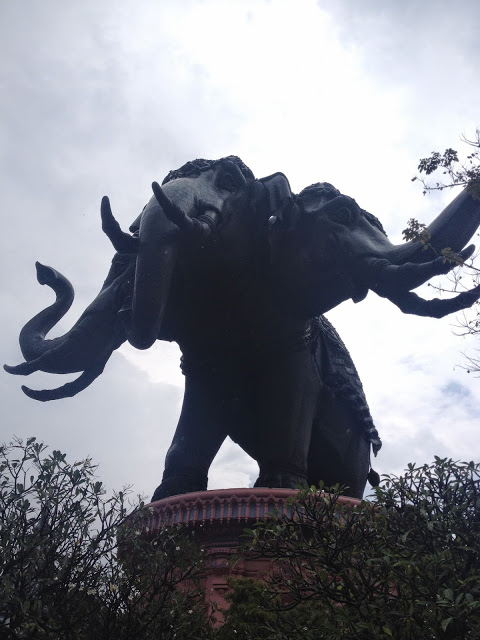
The Chang Erawan (Erawan Museum) is soon to have its very own BTS Skytrain station (the upcoming BTS Chang Erawan)! Also designed by Mr. Lek, the Erawan Museum is a strange mix between a shrine and an elaborate art piece. It’s difficult to know exactly how to describe it!

namesake of one of Thailand’s most famous national parks, towers over the park. The interior of the massive statue depicts Mr. Lek’s vision of Thai Hindu-Buddhist cosmology.

a buddhist shrine inside Samut Prakan's erawan museum

While exploring the lush grounds, filled with statues from Thai mythology, visitors can make offerings and light incense at the numerous shrines throughout the gardens, feed the fish in the ponds, and even float a lotus blossom in the pond surrounding the giant Erawan.

Official Website: http://www.ancientcitygroup.net/erawan/en

3. The Samut Prakan Crocodile Farm and Zoo

An unusual destination to be sure, the Crocodile Farm’s zoo isn’t much to look at, but the crocodile show is the main attraction.

The show runs several times daily, with trainers sticking their hands and even their heads inside the open mouths of crocodiles. It’s a bit frightening, actually!

crocodile trainers pose for a photo

after the show

Open 8:00-18:00 daily

Admission: 300 baht

Website: http://www.worldcrocodile.com/home.html

3 Foods to try in Northern Thailand

One of the best parts about traveling is trying all of the delicious food to be had all over the world. Some of the best food you’ll ever find is street food, served out of a little cart, or from a stall in a crowded market. These three dishes are some of the most famous northern Thai cuisine. Give them a try, and let us know what you think of our recommendations.

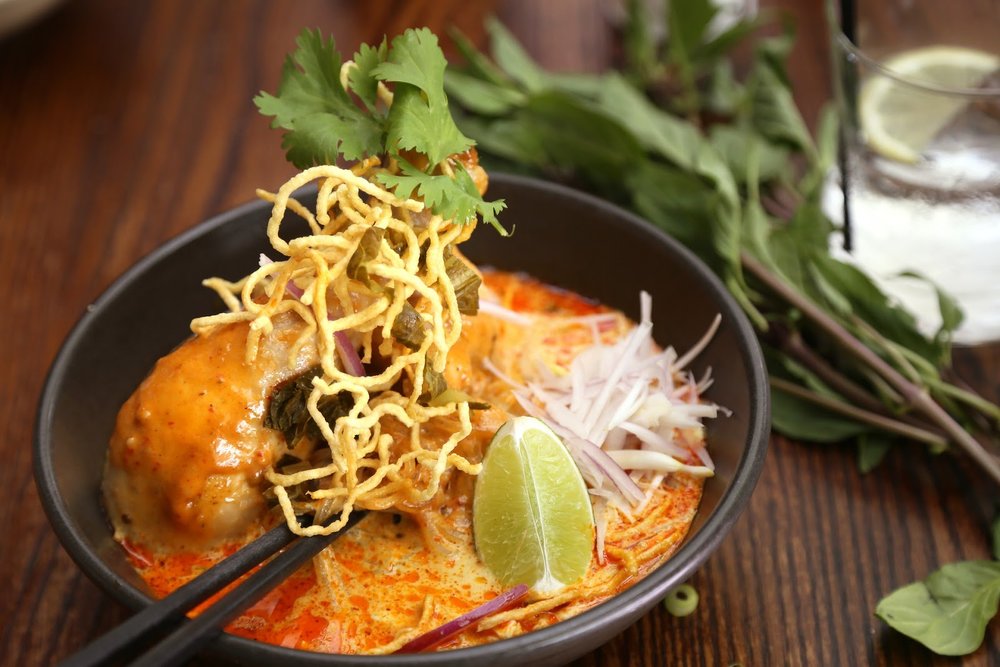
1. Khao Soi (Northern-style noodles)

<img src="https://lbconvert.travel.blog/wp-content/uploads/2019/08/02ec8-img.jpg

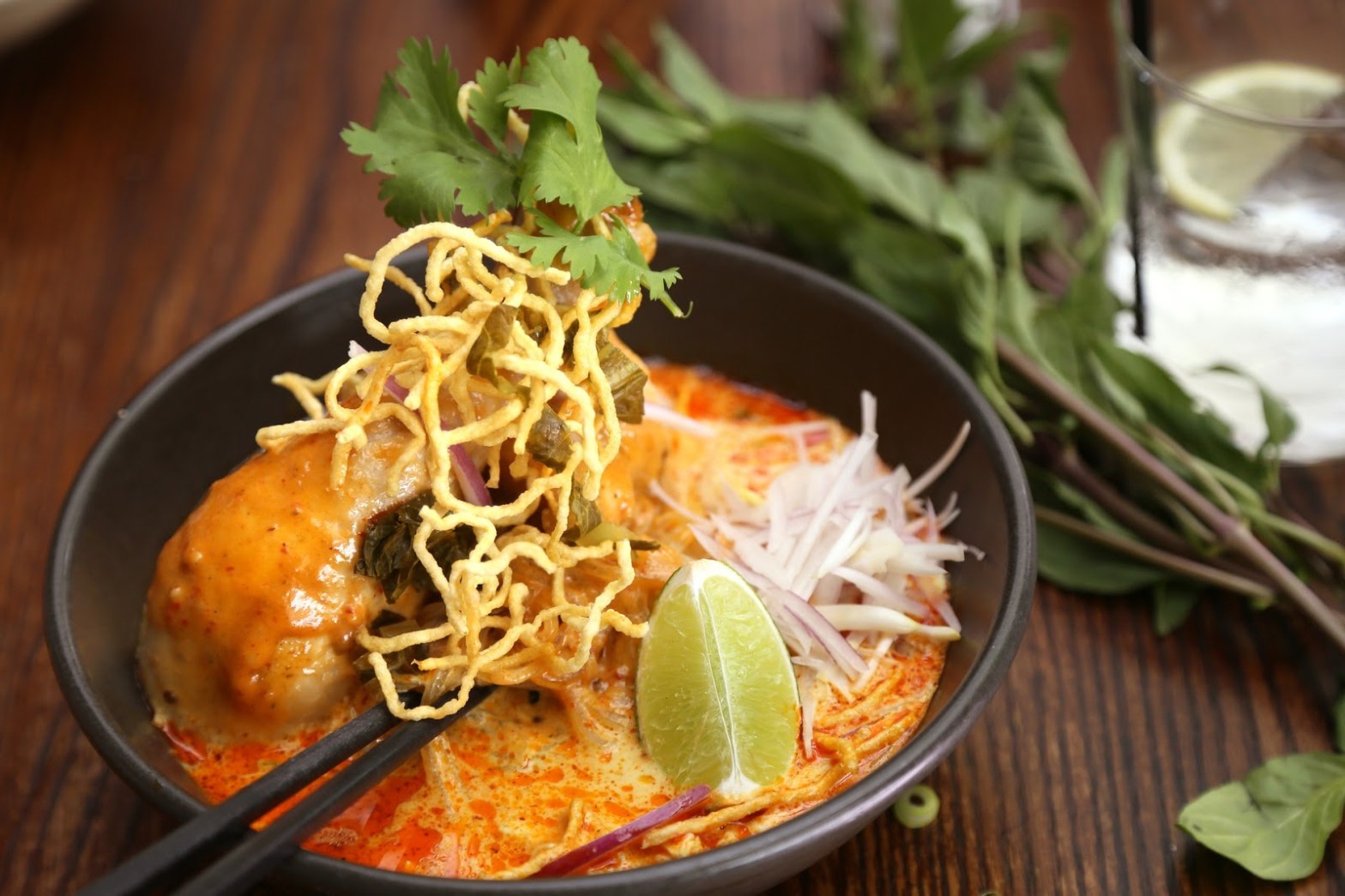
Maybe the best-known Chiang Mai dish is Khao Soy, a type of northern-style egg noodles cooked in a sweet and mildly spicy coconut milk curry. The dish is served with pickled mustard greens, lime, shallots, and boiled egg. Delicious! I like this dish because it’s often not super spicy, but the flavors are strong and rich, and it’s not so easy to find outside of northern Thailand.

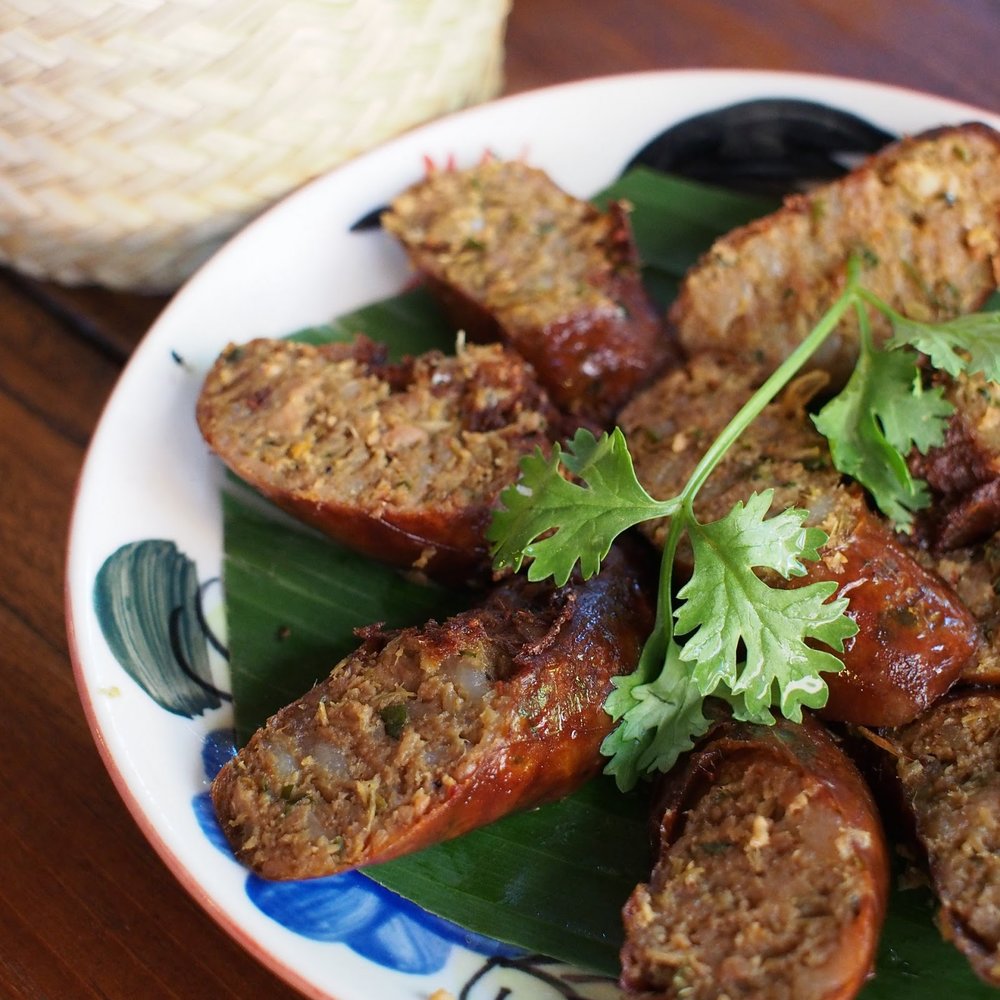
2. Sai Ua (Northern spicy sausage)

<img src="https://lbconvert.travel.blog/wp-content/uploads/2019/08/eed11-img.jpg, https://commons.wikimedia.org/w/index.php?curid=22630080

Sai Ua is a delicious type of fried or grilled northern-style pork sausage stuffed with herbs, spices, and curry. It’s often served as a street food with sticky rice. Sai Ua can be very spicy!

3. Insects!

After all, bugs are the food of the future!  Close your eyes and imagine that you are eating chips or something! But why not at least give it a try?
5 Green Spaces for Fresh Air in Bangkok

weekend trip away or a  day trip outside of the city, check out one of these five excellent parks and green spaces for fresh air around Bangkok, Thailand.

1. Bang Kachao (Bangkok’s Green Lung)

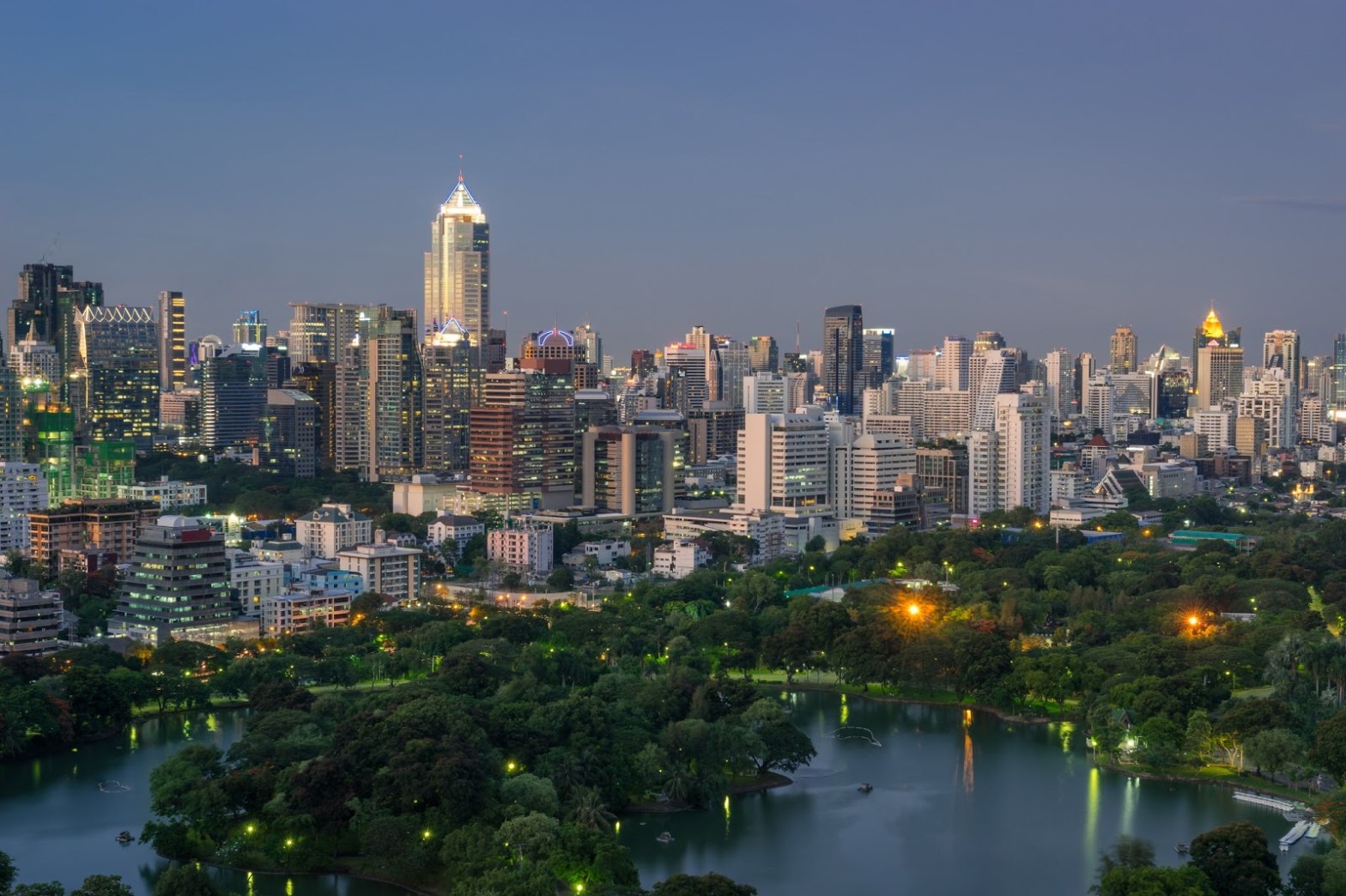
a view of the green space of Lumphini Park with the skyscrapers of Bangkok's big city in the background

Lumphini Park

Opened in 1925 and named after Lumphini, the birthplace of the Buddha in India, Lumphini Park is Bangkok’s oldest and most famous. It’s a very welcome green space right in the heart of downtown. Activities include renting a paddle boat on the pond, jogging on the 2.5km track, joining a tai chi group in the early morning, or exercising in one of the public outdoor gyms. On Sunday evenings from January to April, there are weekly live music concerts in the park, and it’s also the site to the annual Thai tourism fair.

Getting to Lumphini Park

Despite its name, Lumpini MRT Station isn’t your best choice for reaching the entrance to Lumpini Park. Instead, take the BTS Skytrain to Sala Daeng Station or the MRT Subway to Silom. Both stations are located just outside the big statue of King Rama V in front of the park.

3. Chatuchak Park

JJ Market Website: http://www.chatuchakmarket.org/

Getting to Chatuchak Park

You can reach the park by BTS Mo Chit or MRT Chatuchak. If you want to go to the Chatuchak Market (JJ Weekend Market), take the MRT one station further to Kamphaeng Phet, which has an exit directly inside the market.

4. Rama IX Gardens

Website: http://www.cu100.chula.ac.th/cu-centenary-park/

Getting to CU Centenary Park

The park is located near MRT Samyan station, just adjacent to the university campus.

Culture Capsule: Bangkok

Culture Capsule:

<img src="https://lbconvert.travel.blog/wp-content/uploads/2019/08/b53bd-img.png (Grade 10) English class, the students were asked to think of items to include in a "culture capsule". Bear in mind, my class is made up of urban Bangkok sixteen year-old Thai students. It would be interesting to see what people of different cultural, socio-political, ethnic, and age groups would have come up with, and how the list might have appeared different. As a matter of fact, the culture of central Thailand is vastly different from that of the northern, northeastern (Issan) or southern regions. The prompt was something like this:

“If you were to create a list of items to represent Thailand to someone who has never been there, what would you include?”

This is the complete list that my students came up with:

1. Royal Thai Elephants

Learn More: Elephant Welfare in Thailand

2. Thai Dance and Cultural Performances

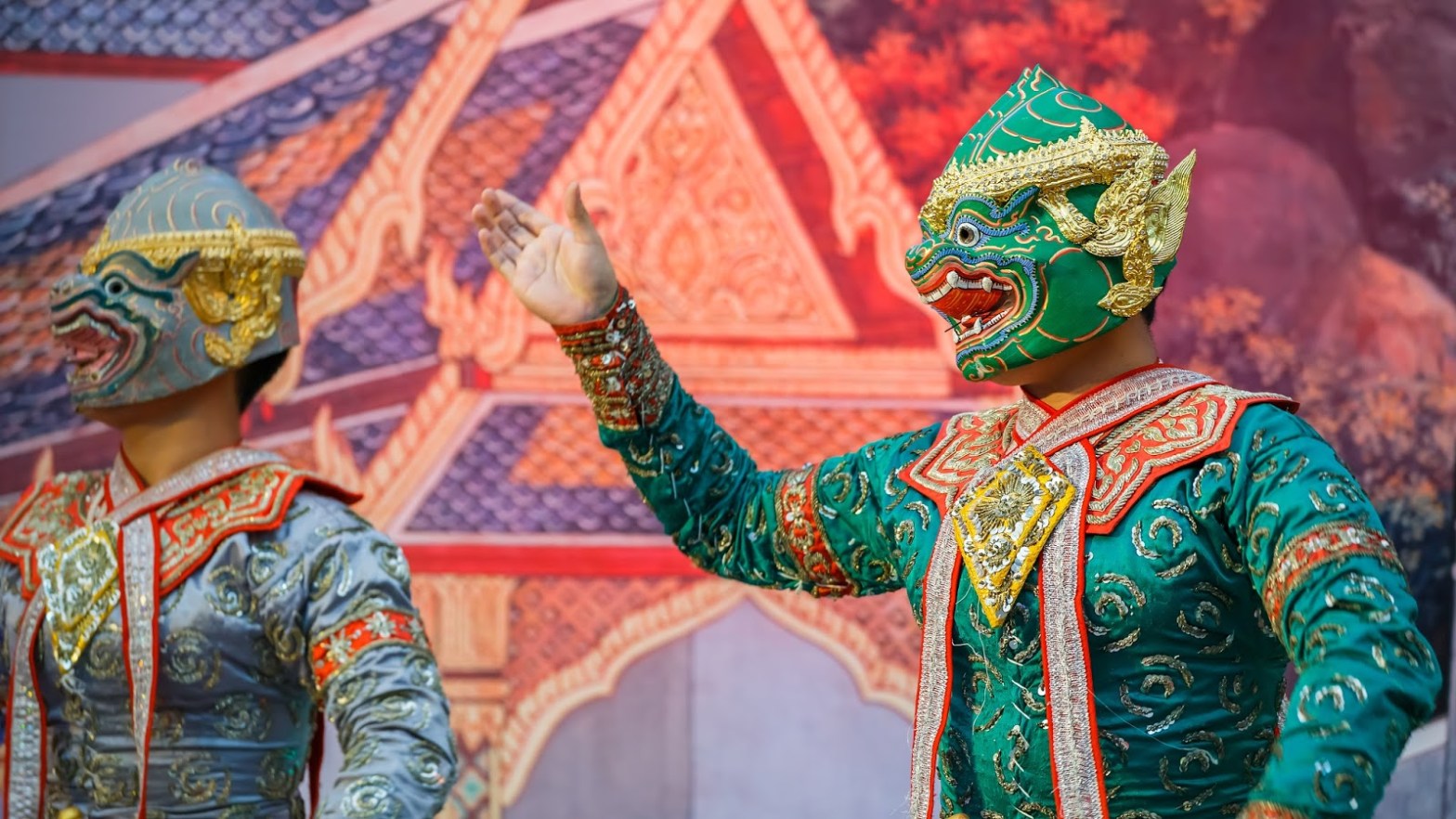
Erawan Shrine in downtown Chit Lom, Bangkok, offering prayers for good fortune. The dances tell traditional Thai stories, and the costumes and music are an integral part of Thai culture. Pictured above is an example of khon, a traditional Thai masked opera depicting scenes from the Ramakien, Thailand’s national epic, derived from the ancient Hindu epic *Ramayana.

3. Temples / Religion

Read More: Top 5 Temples in Bangkok

4. Floating Markets

See: Amphawa Floating Market Travel Guide (near Bangkok)

5. Tom Yum Soup

a dish of Pad Thai served on a white plate with peanut and red chili flakes

Pad Thai

If you’ve only had one Thai dish, chances are you’ve tried pad Thai. Pad Thai, a fried noodle dish with shrimp or chicken, fresh lime, and peanuts is a street food favorite throughout the country, and variants are found in Bangkok, the northern mountains, and in the south. It’s the national dish of Thailand, although it was only developed in the twentieth century.

7. Mango Sticky Rice

A fleet of Bangkok tuk tuks

with a portrait of the princess in the background

These things are definitely a rip-off, but they’re fun. You can overpay by about 400-500% versus a metered cab, but you can’t deny that they’re an iconic sight around town. They aren’t how locals travel by any means, and really only cater to tourists, however you can’t miss these brightly-colored auto-rickshaws careening around the city. They are literally built around a moped, and the battery sits between the drivers feet. They are named for the sound they make, “

tuk tuk…”

Read More: Should You Take a Tuk-Tuk in Bangkok?

9. Cha Yen – Thai Iced Tea

the flag of Thailand, Buddhism, and the King flying in Bangkok

Thai, Buddhist, and Royal standards

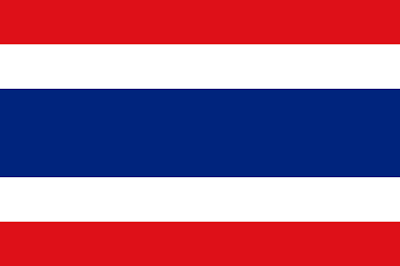
You see flags all over Thailand. The national flag flies from almost every building, but the royal standards are a common sight as well. The king and queen are represented by yellow and blue flag, because they were born on a Monday and Friday respectively. Other members of the royal family have their own flags too, but you don’t often see them unless it’s a special celebration honoring that person. The dark gold flag with the wheel depicted on it is the flag of Thai Buddhism, and often flies at temples.

12. Shopping Malls

Ronald  McDonald statue giving a traditional Thai wai (greeting, bow) in front of a McDonalds restaurant chain in downtown Bangkok, Thailand

global marketing

A wai is the traditional respectful greeting in Thailand. You put your hands together in a prayer-like manner and bow your head. People wai at different levels to show different degrees of respect. When my students wai me, they have to bow deeply, and when I see the headmistress at my school, I have to wai to her like my students do to me!

14. Portraits of the King and Queen

There are portraits of the royal family everywhere. Our school has a portrait in every classroom.

Here’s a tip: if you are going to eat at a Thai restaurant in the US or abroad, check to make sure that they have displayed a portrait of the king and queen. If you see one, it’s very likely that the food will be high-quality and authentic, as the restaurant is probably owned and operated by Thais.

15. Thai Alphabet

นี้เป็นภาษาไทย 

(This is Thai)

The Thai alphabet consists of 44 consonants and 28 vowels. My students are very proud of their alphabet, as it represents an important part of Thai heritage. They were very proud when they taught me how to write my name!

I’ve been learning to read and write Thai this year, and it’s not going too poorly! Because Thai is an alphabet system (instead of a character-based system like Chinese), it is phonetic, and not so difficult once you figure out how it works. It’s complicated, but I think it is a cool script

16. The Chao Phraya River

Ayutthaya, and the river was its lifeblood that helped the city boom into the modern metropolis that it is today. Today, the Grand Palace and most of the oldest parts of the city sit along the banks of the “River of Kings”.

17. Durian, the King of Fruit

purple tropical mangosteen fruit

mangosteen

The thick purple skin will stain your fingers, but peel it back and you’ll find a sweet, soft, white center. Mangosteen is the Queen of Fruits in Thailand, and is recognized for its cooling properties.

—————————————————

Thailand is an ancient country with a rich culture. Although the modern world has definitely arrived in Bangkok, traditional ways of life have not been forgotten. My students may be glued to their iPhones, and they may love Instagram and Snapchat, but they will never forget to wai, or go to the temple to make merit. If you’ll pardon the cliche, Thailand is a kingdom where the old and the new converge, and it is a beautiful place.

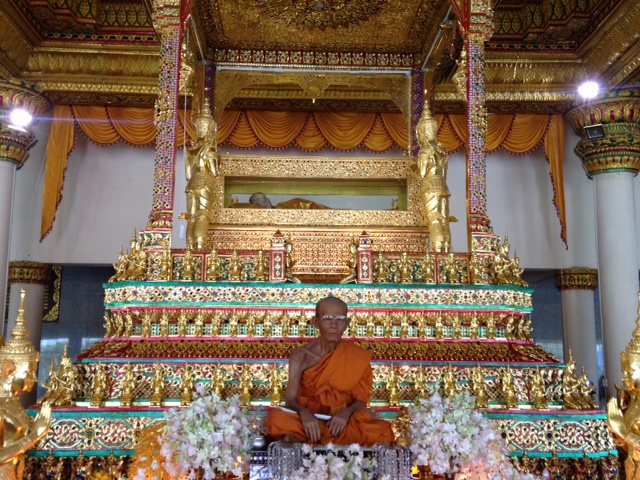
The Mummy Monk at Wat Tham Sua, Kanchanaburi

The Tiger Cave Temple

Wat Tham Sua, the “Tiger Cave Temple” (no, there are no tigers here!) is one of the biggest and most impressive in western Thailand. The temple sits on a big hill overlooking green rice fields. There’s a long staircase up the hill, but if you have 20 baht to spare, there’s a funicular cable car that you can take up and down to and from the temple.

The complex is made up of a number of different shrines and chapels, and it’s a very popular spot with locals and foreigners alike. The main Buddha image is massive, and can be seen from far away in the surrounding countryside.

Day Trip to Kanchanaburi Video (featuring this temple)

More in Kanchanaburi

Kanchanaburi Travel Guide

Best Deals in Kanchanaburi:

Booking.com

Design a site like this with WordPress.com
Get started