The Thai-Burma Death Railway: Remembering WW2 in Kanchanaburi

*novel, Bridge on the River Kwai, and the *film of the same name tell the true story of the Allied POWs who were captured by the Japanese after the fall of Singapore in February 1942 and brought to Thailand to work on the infamous “Death Railway”. Most of the POW camps and historical sites marking it are located in and around Kanchanaburi, and visiting them is a powerful and somber reminder of the Second World War in Thailand.

Remembering the Second World War in Kanchanaburi

The Thai-Burma Death Railway

Allied War Cemetery (Kanchanaburi War Cemetery)

The Kanchanaburi Allied War Cemetery is located right in the center of  town, near the train station and across from the town’s old Catholic church. The remains of 6,982 allied soldiers, mostly Australian, British, and Dutch (remains of Americans were repatriated after the war) are buried in this beautifully maintained and peaceful cemetery.

memorial to unknown solders at kanchanaburi allied war cemetery

unknown soldiers

Thai-Burma Railway Centre

Next to the cemetery in the town’s center, you’ll find the excellent Thailand-Burma Railway Centre Museum. Entry costs 80 baht, and is well worth it.

The two-floor museum is full of interesting displays and artifacts from the workers on the Death Railway. Particularly moving are the letters and diaries of the prisoners, that have been donated by the veterans themselves and their families.

The second-floor has a small cafe and beautiful views looking out over the cemetery. Pay special attention to the magnificent stained-glass windows depicting the lives of the POWs and laborers on the railway. These windows are an ongoing project by artists who volunteer their time to preserve the history of the Death Railway.

Website: https://www.tbrconline.com/

The Bridge on the River Kwai

During the Second World War, Allied prisoners of war, mostly British, Australian, and Dutch, along with captured Asian laborers from Singapore, were forced under extremely brutal conditions to construct a railway across Thailand to Burma, which the Japanese occupied.

The bridge still stands, although two sections of it were destroyed in an Allied bombing during the war. Those two sections are constructed with straight spans, rather than curved, to differentiate between the original bridge and the sections that have been rebuilt.

*The Railway Man (or read the true *memoirs upon which the film is based), you will be especially moved by seeing the bridge in person. Knowing a bit about the hardships and terrible conditions of the prisoners makes it feel much more real when you step onto the old bridge.

Wang Po Viaduct (Wampo or Wang Pho)

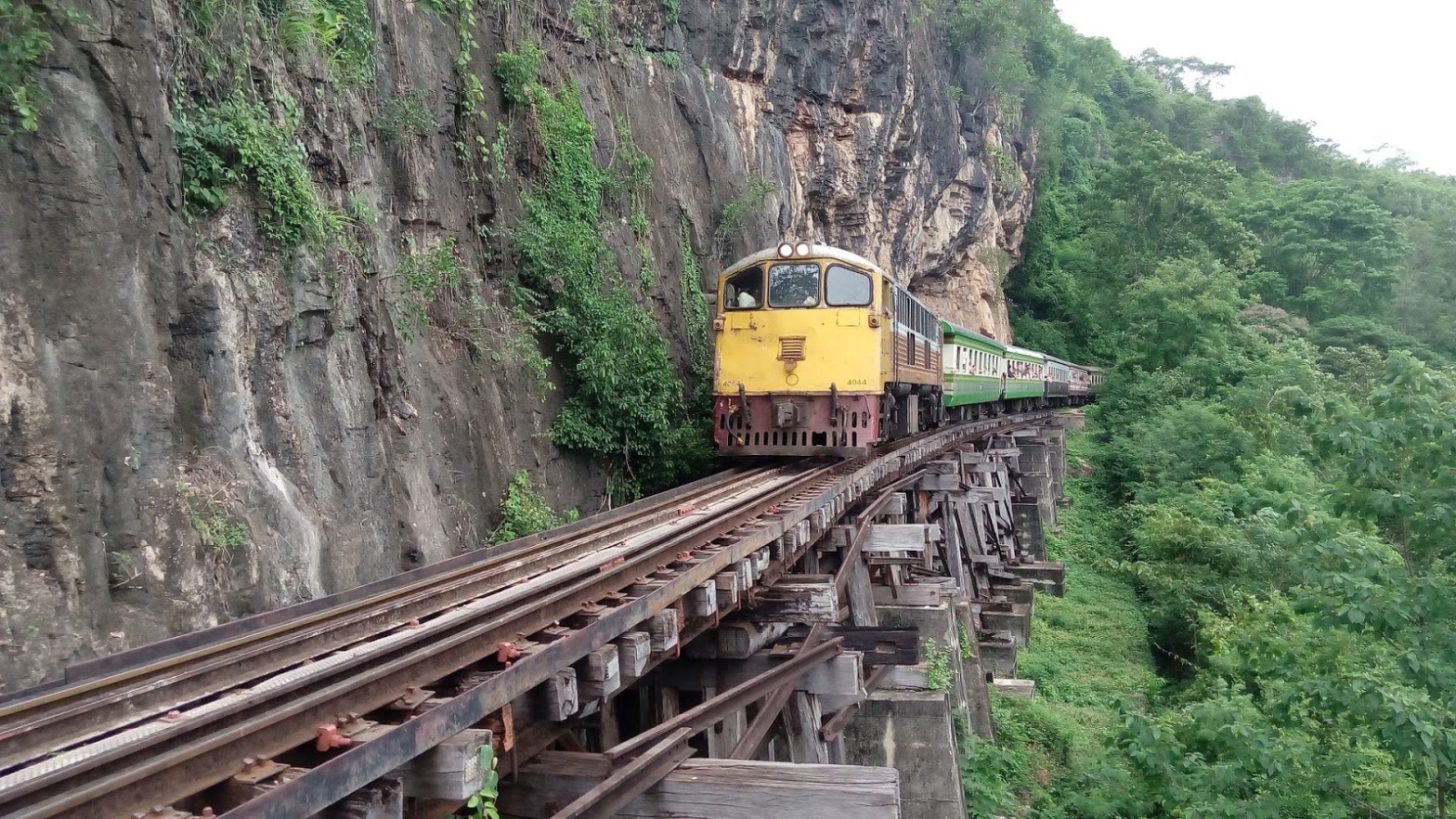
Another amazing site outside of the town is the Wang Po Viaduct, the most scenic stretch of the Death Railway. The Viaduct is a rail built on wooden trestles on the cliff side above the River Kwai.

tracks along the trestle bridge in cliffside of death railway wangpo kanchanaburi Thailand

Wang Po, Kanchanaburi

Tham Krasae Cave

Krasae (Kra Sae) Cave is a small natural cavern in the cliff along the Wang Po wooden trestle rail. During the war this cave served as an emergency field hospital for the prisoners working on the Death Railway.

cave mouth with river and hills in background

Krasae Cave

Hellfire Pass

The most brutal and deadly stretch of the Death Railway was at Hellfire Pass, specifically Konyu Cutting, a dangerous and remote camp where the POWs and captured Asian (mostly Indian and Malayan) laborers were forced to carve for up to 18-hours a day straight through a mountain for the construction of the rail. The sight of emaciated prisoners illuminated only by torchlight digging through the mountain with only hand tools gave Konyu Cutting it’s name.

konyu cutting through a mountain at hellfire pass in Kanchanaburi, Thailand

Hellfire Pass

It’s the site of several annual remembrance services, and all along the cliff walls, people have left flags, medals, pins, and old photographs of loved ones who worked on the Death Railway.

black stone memorial with red poppy wreath to remember POWs of the Thai-Burmese Death Railway in Hellfire Pass, Kanchanaburi, Thailand

WW2 POW memorial

More in Kanchanaburi:

Kanchanaburi Travel Guide

Booking.com

Snow Town Bangkok REVIEW: Winter Wonderland in Thailand

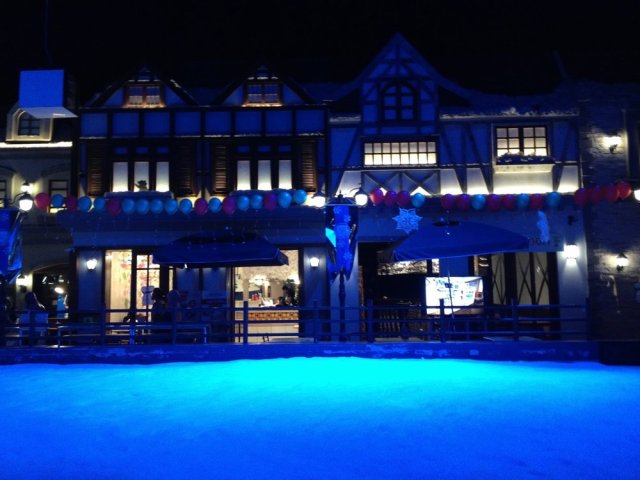
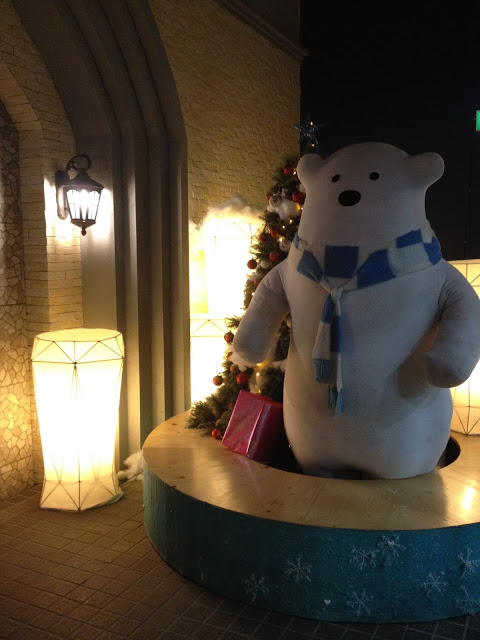
No, it’s not a white Christmas in Bangkok, it’s Snow Town, a… theme park? attraction? wintery thing? in Gateway Ekkamai, a Japanese-themed mall in downtown Bangkok. Experience a bit of Hokkaido winter in hot and humid Thailand.

Snow Town Bangkok

Snow Town made big news in Bangkok when it opened in 2015, and Christmas seems like the perfect time to visit a Hokkaido-themed winter wonderland on the top floor of a shopping mall in Thailand!

winter village

Well, I say snow. It’s more like shaved ice. Walking onto the crunchy field is like walking on a big snow cone. So you can’t exactly build a snowman or make a snow angel, but you can rent a toboggan and slide around on the ice. Of course, around Christmas time it’s mostly a fun photo-op for couples and  families. Inside Snow Town, the temperature is probably around 50-60 degrees F (10-15 C).

the hokkaio village snowtown bangkok

Hokkaido Village

There’s a hill that you can slide down, and for 600 baht, kids can take an hour-long ski lesson.

snow town bangkok restaurants

Afterwards, head back to the “lodge”, and warm up with a hot coffee or tea. You can also have photo souvenirs made, like framed pictures and photo snow globes.

Is it worth it to visit? Well, it’s not so expensive, and for a unique wintertime experience in Bangkok, it’s pretty fun. There isn’t a lot to do for adults, but kids (especially ones who have never seen snow) will enjoy playing, and the ski lessons look fun for kids too! Take some family Christmas photos, and have fun in “Hokkaido”.

<img src="https://lbconvert.travel.blog/wp-content/uploads/2019/08/19416-img.jpg am – 10.00 pm, Saturday – Sunday and Holidays 10.00am – 10.00pm

Location: Gateway Ekkamai 5th floor, near BTS: Ekkamai

Price: 80 baht for children, 100 baht for adults, ski lessons 600 baht

Snow Town’s Website

The Marble Temple, Bangkok (Wat Benchamabophit)

Wat Benchamabophit – The Marble Temple

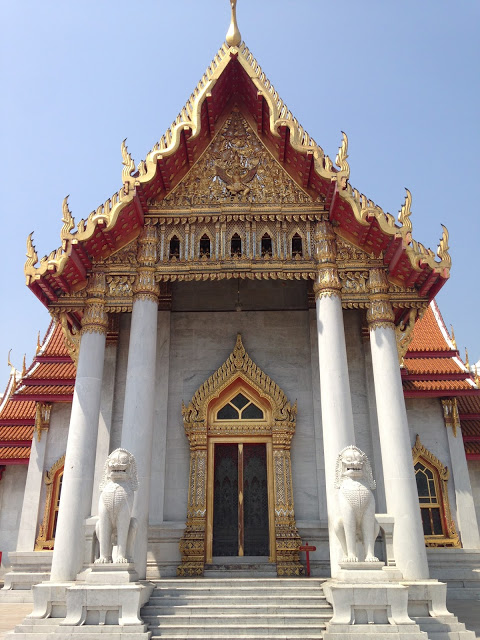
the Marble Temple in Bangkok, Thailand

the Marble Temple Bangkok

Built in Dusit, Bangkok’s palace district, the marble Temple was constructed in 1899 by orders of King Chulalongkorn after his tour through Europe. The temple is designed in an ornate Thai-European architectural style, built out of Italian marble and decorated with elaborate stained glass windows.

statue of a monk by a fish pond on the grounds of the Marble Temple in Bangkok, Thailand

Entrance to the Marble Temple costs 50 baht.

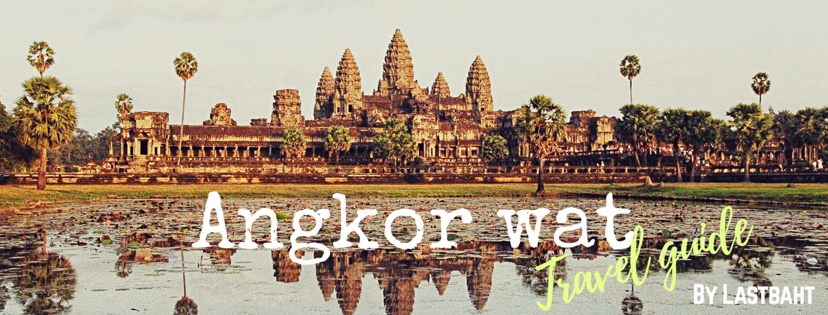
Angkor Wat Travel Guide

Angkor Wat Travel Guide by Last Baht

stone temple angkor wat surrounded by jungle siem reap cambodia

Getting There and Around

You can see Angkor Wat by motorbike, hired car, or tuk-tuk. Renting a motorbike from your guesthouse is probably the cheapest way to get around, but the Historical Park complex is massive, and it’s easy to get lost or turned around. If you are short on time and really don’t want to miss the top sites, hiring a driver is the most reliable way to get around. You can arrange this through your hotel or guesthouse the day before you want to visit the historical park.

When to go

You can visit Angkor Wat at any time of the year, but if you are going to be visiting during the monsoon season (around May-November) be prepared for the chance of rain.

Tickets

Tickets to the Angkor Wat Historical Park, although worth the cost, are a bit pricey for a traveler on a budget. A price increase in 2017 nearly doubled the ticket price, so if you are on a tight budget, pick up a one-day pass and hit up these top sites on a one-day whirlwind tour. Tickets can be bought as you arrive at Angkor Wat Historical Park.

1 Day – $37

3 Day – $62

7 Day – $72

Angkor Historical Park in a One-Day Visit

Sunrise at Angkor Wat

Wake up at 4:30am to begin your adventure long before the sun begins to rise. Meet your driver and head to Angkor Wat in the dark. Try to find a good spot to stand or sit to watch as the sun rises directly behind the famous Khmer-style spires of Angkor Wat. It’s crowded, but for good reason: watching the sun rise behind Angkor Wat is the world’s largest religious monument, and one of Southeast Asia’s most magical experiences.

monks in orange  robes in ancient stone temple angkor wat cambodia

monks at Angkor Wat

Inside, pay special attention to the intricate and incredibly well-preserved carvings of Hindu mythology and cosmology. Although constructed as a Hindu temple, Angkor Wat is now an important Buddhist site as well, and it’s common to see saffron-robed Theravada monks walking through the stone passages of the ancient complex.

stone carved angkor thom temple city

Angkor Thom

Angkor Thom’s most impressive feature is the Bayon, the ancient temple sitting right at the center of Angkor Thom. Bayon is decorated in spires carved into giant, serene faces. Unlike most of the Angkor temples, Bayon is Buddhist, and not Hindu. Bayon was the last State Temple of the Khmer Empire, constructed after the empire’s official conversion from Hinduism to Buddhism.

ruins of ancient stone temple angkor thom cambodia

Before Angkor Thom was abandoned during the fall of the Khmer Empire around 1600, it is believed to have supported a population of somewhere around 150,000, just a bit smaller than that of London at the time.

Ta Prohm

Visiting Ta Phrom feels like discovering a wonderful secret hidden deep in the jungle. While Angkor Wat and Angkor Thom have been partially restored, Ta Prohm still looks very much the same as it did when re-discovered by 19th century French explorers. Ta Prohm, a 12th century Mahayana Buddhist monastery and university, is overgrown with the roots of a gnarled jungle tree.

jungle tree growing over stone temple taprohm siem reap cambodia

The “Monastery of Kings” was a dedicated Buddhist temple, one of the very few Buddhist temples in the predominantly Hindu Khmer Empire, though few Buddhist carvings remain. A theory suggests that Hindu priests may have destroyed some of the temple’s more overtly Buddhist features after the death of the king. Regardless, it’s one of  the most incredible and highly-recommended sites in the entire Historical Park.

Kbal Spean

Off the beaten track is the Kbal Spean, which means “Bridge Head”, a sacred waterfall and archaeological site northeast of Angkor Wat.

hindu mythology carved into riverbed Kbal Spean siem reap cambodia

Today, only Cambodians are allowed to swim in the sacred pool beneath the waterfall. You might see local people having a picnic along the banks. Foreigners, though, are not allowed to bathe or swim in the natural pool.

Beng Mealea

A bit far out, but absolutely worth the trip, Beng Mealea is one of the most incredible sites surrounding Siem Reap. This temple is located about 40 km away from the other main sites, which takes some time by tuk-tuk, but the trek is worth it.

crumbling ruins beng mealea temple at angkor wat siem  reap cambodia

Be careful on the slippery moss-covered stones! The ground is not completely stable, so move slowly and carefully through the ancient ruin. In my opinion, this is probably the coolest site in Siem Reap!

Pre-planned tours

Hire a tuk-tuk driver for one of the two “circuit” tours to hit all the most popular sites.

The Small Circuit

Angkor Wat, Angkor Thom, Ta Phrom, Banteay Kdei, and a number of smaller but still interesting ruins in a comprehensive loop of the park’s most famous sites. Good for a one-day visit.

The Grand Circuit 

Small Circuit plus Preah Khan, Preah Neak Pean, among other smaller and less-known sites. The Grand Circuit is much longer, and is recommended only if you have enough time or interest in the less famous and popular historical sites. Usually requires two or more days to complete.

Other Great Activities in Siem Reap

Five Things to do in Siem Reap (Besides Visiting More Temples) 

Take a bus to the south of Cambodia and rough it with the macaques on Koh Rong (Monkey Island)!

https://www.amazon.com/dp/B06XTRTLCV

Read about my adventures in Cambodia in The Long Road From Pub Street , my first book! Available now on Amazon.com!

Watch 

Kingdom of Wonder (Video)

Top Deals in Siem Reap

Booking.com

Where to Celebrate Thanksgiving in Bangkok

Visit their website for more information.
2. Orchid Cafe Thanksgiving Buffet – upscale and traditional

The Orchid Cafe at the Sharaton Grande Sukhumvit Hotel is your very traditional Thanksgiving feast! Orchid Cafe’s Thanksgiving dinner is one of the more elegant and upscale options, but Thanksgiving Day only comes once a year.

Price: Adults: 1,950++ Baht, Children: 1,200++ Baht.

The price includes all the fixings of a traditional home-cooked Thanksgiving meal.

Location: MRT Sukumvit/BTS Asoke

Visit their website for more information.

3. Villa Supermarket Thanksgiving Dinner by Delivery – enjoy from home

Of course, you may want to celebrate Thanksgiving from the comfort of your own home. If your apartment lacks a full-sized kitchen, you can even order a fully-cooked turkey from Villa Market, Bangkok’s premier international supermarket (490/kg and side dishes starting at 60 baht each).

Visit their website for more information.

We want to hear your suggestions too! Let us know about your favorite Thanksgiving feast in Bangkok.

Bagan, Myanmar: Top 5 Things to do

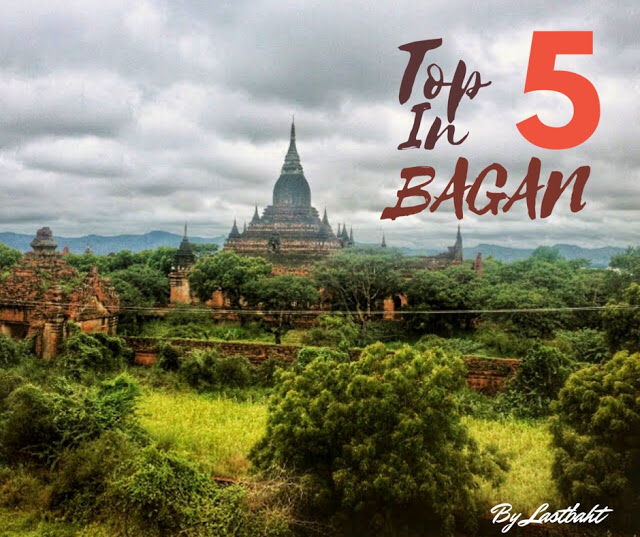
Cambodia‘s Angkor Wat, but perhaps even more impressive, the Bagan Historical Park is filled with over two-thousand ancient stone pagodas dating back to the 9th century, and ranging from small shrines to massive temples.

Top 5 Things to do in Bagan

1. Explore the Ancient Pagodas in Old Bagan

When you arrive in Bagan, you’ll need to purchase a ticket to the Bagan Historical Park, which costs 25,000 kyat (about $25). Bagan is divided into two areas: New Bagan, which is home to hotels, guesthouses, restaurants, and bars; and Old Bagan, where all the cool old temples are located. For the best experience, try to book a hotel in Old Bagan so you can wake up and look out your window in the morning at the historical park. Wherever you look, you’ll see dozens of temples spreading out in every direction.

a horse and driver with a cart for tourists in Bagan myanmar

You can bargain with the drivers of the ubiquitous horse carts, but a half-day exploring the temples should cost around $10. Our driver spoke good English, and gave us a short introduction about the history of each temple and pagoda he showed us. That alone was worth hiring the driver for! Instead of wandering aimlessly from temple to temple, Mr. Bobo and his sweet horse Nanda took us to visit some of the lesser-visited pagodas along with the more popular ones.

3. Climb a Pagoda for Amazing Views

Some pagodas are “climbable”. While not all of the temples are possible to climb, quite a few allow visitors to climb up to the roof for some incredible views. When we were in Bagan, our horse cart driver would tell us whether or not we were allowed to climb each temple that he took us to.

hot air balloons in Bagan myanmar over a field of stone temples at sunrise

Tickets are not cheap, however! A ticket, including hotel pick-up and drop-off, light breakfast, and traditional champagne toast costs $315 per person! It’s a little out of the $50 per day price range we try to stick to, but makes for a beautiful and unforgettable way to see the sights. The price is a lot higher than what you will find in neighboring countries, but all pilots are foreign-trained and the companies guarantee high levels of safety.

5. Watch the Sunset over the Irrawaddy River

The best sunset we saw during our trip to Myanmar was in Bagan from a white sand beach along the banks of the Irrawaddy. Nearby a restaurant called the Green Elephant boasts world-class sunset views (and decently cheap dinner as well).

If you are interested in Myanmar, please check out my second book, Across A Golden Land,

my travelogue of a journey by land across the country from Yangon to Bagan.

Available on Amazon.com

Watch

“Golden Land” – our travel vlog about our recent adventure in Myanmar.

More

Top 10 Things to do in Yangon (Rangoon)

Mandalay to Bagan by Boat

What to do in Mandalay

Booking.com

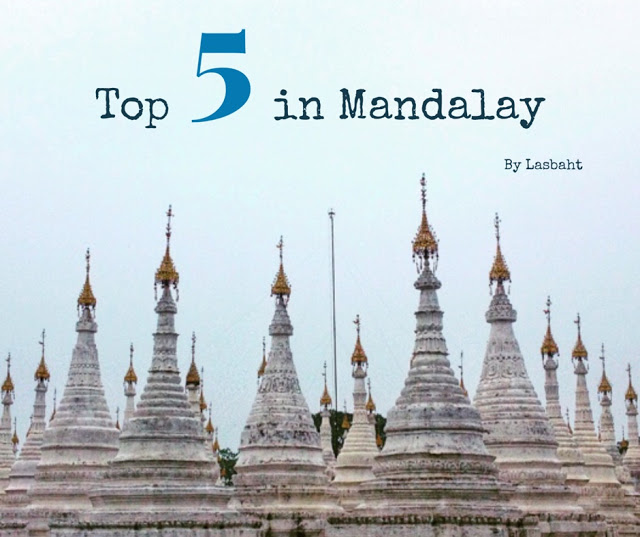
Mandalay, Myanmar: Top 5 Amazing Sites

mandalay hill in myanmar with golden temples

If you are feeling adventurous, you can hike the pilgrim’s trail to the top. For the rest, the summit is also serviced by an escalator from the parking lot to the temple. Mandalay Hill is the best place in town for watching the sunset!

2. Mandalay Palace

The original Mandalay Palace was destroyed during the Second World War, but a faithful replica was rebuilt in the 1990’s. Today, only the throne hall is decorated, but visitors are free to follow a map and explore all the buildings in the sprawling complex.

white stone stupas a mandalay kuthodow pagoda

Entrance is included with the Mandalay Historical Zone ticket purchased for entry to the Mandalay Palace.

4. Shwenandaw Monastery

Unlike Mandalay Palace, Shwenandaw Monastery is an original building. It is the only surviving building, in fact, from the original Mandalay Palace complex. The building is very different from the other golden and gaudy temples that you’ll find throughout Burma. The monastery, made of hand-carved teak wood, is dark, quiet, and peaceful inside.

pink river dolphins in the Irrawaddy river in mandalay myanmar

You can even sign up for a dolphin-watching excursion, although seeing the rare creatures is not guaranteed.

Getting to and From Mandalay

As one of the country’s major cities and port of entry, you can reach Mandalay by flight at the international airport. You can also arrive by bus or train from Yangon (warning: read this first!), but by far the best way to travel around this part of the Myanmar is by boat. If you have time, spend a day on the Irrawaddy River and take a cruise from Mandalay to Bagan. You won’t regret it!

If you are interested in Myanmar, check out my second book, Across A Golden Land,

my travelogue of our journey by land across the country from Yangon to Bagan. And, yes, it features both the awful night train and the wonderful river boat!

Available on Amazon.com.

Watch

“Golden Land” – our travel vlog about our recent adventure in Myanmar.

Best Hotel Deals in Mandalay

Booking.com

Mandalay to Bagan by Boat

Mandalay to Bagan by Boat

If we are going to complain about the night train in Burma, it’s only fair to point out that the country also has one of the best and most memorable journeys as well. The train from Yangon (Rangoon) to Mandalay may be rough, but nothing can beat a perfect day spent on a relaxing river boat cruising up the legendary Irrawaddy River from Mandalay to the ancient capital Bagan.

Taking the Boat in Myanmar

The Boat From Mandalay to Bagan

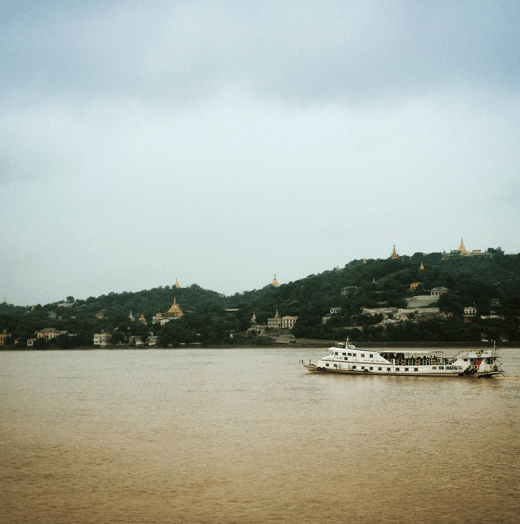
From the beautiful royal city of Mandalay to the ancient and mysterious fields of Bagan, some of Burma’s top destinations are located along the fabled Irrawaddy. And, while sure you can fly, by far the most pleasant and unforgettable way to get between the two legendary cities is by a day spent on a slow-moving river boat, cruising along the muddy brown waters past green hills dotted with literally hundreds of glittering golden pagodas.

How to buy tickets

Tickets should be arranged at least a day in advance, and can be booked through most any hotel or guest house. We traveled with Malikha River Cruise, a reputable company with a good safety and comfort standard. Malikha runs a website , and you can book tickets online as well. A one-way ticket from Mandaly to Bagan (or vice-versa) costs around $45 USD, and includes breakfast and lunch.

What is it like on the boat

The boat departs early in the morning, just after sunrise, and arrives in Bagan in mid-afternoon. The journey is slow and pleasant, and perfectly relaxing. 

The boats generally have two decks; a lower deck with cushioned chairs and large windows serviced by a bar selling snacks, sodas, and beer. There is free water, coffee, and tea provided for the entire journey.

 the interior of the boat
the interior of the boat

If the weather is nice, grab a cup of tea or a bottle of Mandalay Beer and take a rattan seat on the open upper deck, where you can feel the cool breeze and watch the Burmese countryside lazily float past.

And keep a keen eye out for the famous and elusive pink Irrawaddy river dolphins!

Two meals are provided. When we went, breakfast consisted of a pastry, toast, boiled egg, and fruit. Lunch was fried rice.

The scenery was worth every kyat we paid for the ticket!

What to see in:

Mandalay

Mandalay is a legendary old city full of temples and palaces. The top sites include the temple and viewpoint from the top of Mandalay Hill, the recently re-built Mandalay Palace, Kuthodaw Pagoda, and the ancient teak wood Shwenandaw Monastery (pictured).

teak wood monastery

Bagan

The reason to visit Bagan, a sleepy little village on the cliffs of the Irrawaddy, is to spend a few days at the Bagan Historical Park. The plains of Bagan are filled with over two thousand small stone pagodas, each one unique. The best way to explore is to hire a horse cart driver for the day to take you from temple to temple.

Bagan

Learn More:

Videos

Golden Land: A Travelogue

Books 

Across a Golden Land: A Journey Through Burma

“Golden Land” Gallery (photos from the book)

Comics

The Night Train

The Last Sunset

Would you like to learn more about what to do in Myanmar? Check out our latest posts all about the top things to do in Mandalay and Bagan!

Yangon (Rangoon): 10 Great Things to do

golden shwedagon paya pagoda at sunset

Visitors must wear a longyi (a traditional Burmese sarong-type wrap) to enter Shwedagon Pagoda. Longyis are available for rent or purchase with a ticket. Tickets cost 8000kyat (about $8). The temple is best visited just before dusk, when you can watch the sunsets shining off of the golden pagoda. The temple complex is so massive, that one of the best ways to get the full experience is to hire one of the many local guides to show you around.

2. Visit Sule Pagoda

Not many cities have a street plan built around a golden 2,200 year-old pagoda, but that’s just one more reason that Yangon is so special. Sule Paya, the city’s second most important temple, is located downtown, surrounded by Yangon’s colonial Old Town.

Yangon old town city  hall

You can easily enjoy a few hours exploring and admiring the old colonial architecture that has really left its print on the character of Yangon. After a long walk, though, you might be getting thirsty…

4. Enjoy a Beer at the Strand Hotel

Costing around $600 USD per night, the Strand is one of Southeast Asia’s most famous grand hotels. A night may be way out of the price range of someone traveling on a budget, but a draught of Dagon Beer at the hotel’s famous and historical Sarkies Bar is one of the city’s most iconic experiences.

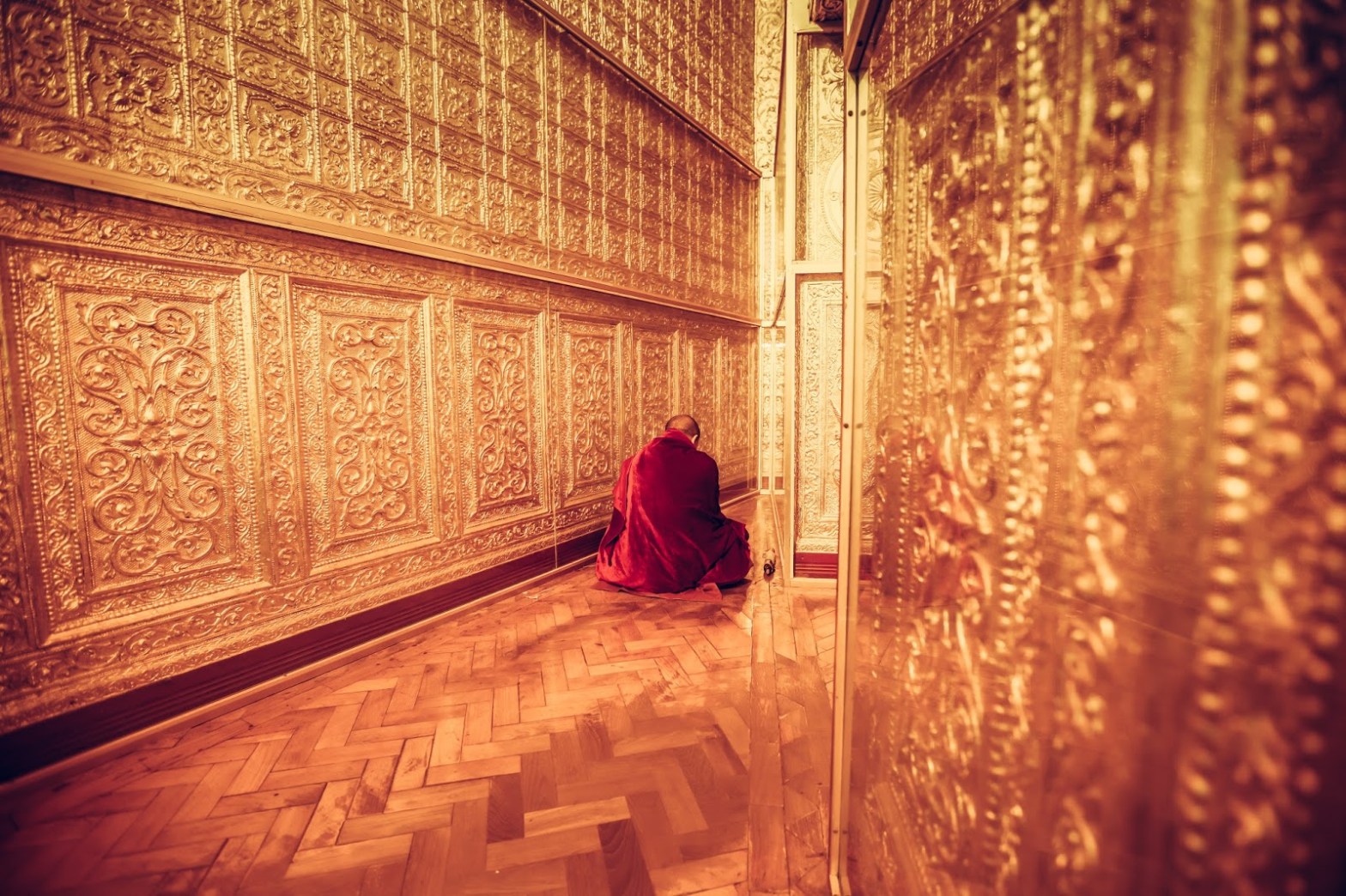
red robed monk sits and meditates inside golden Botataung pagoda

It’s not uncommon to come upon a red-robed monk sitting and meditating in one of the corners of the glittering golden halls. At the reliquary, people pray and toss money into the zedi’s center in offering.

6. Visit the Aung San House Museum

General Bogyoke Aung San, 5th Premier of British Burma, national independence movement leader, and father to current State Councillor Aung San Suu Kyi, is one of the most important historical and political figures of 20th Century Burma. Although assassinated shortly before Burmese independence, General Aung San is remembered as one of the most important leaders of the national independence movement. The Aung San House Museum is an excellent site for anyone who is interested in history.

street lined with book sellers in downtown Yangon

As an English teacher, I was happy (and surprised) to see that many of the books were in English!

8. Eat Noodles at a Local Tea House

You can’t visit Myanmar without stopping in for lunch at one of the ubiquitious tea houses. A delicious bowl of Shan noodles and a small glass of famous Burmese milk tea will only set you back a dollar or two! Most tea houses in Yangon are family owned, and the children who work with their parents can usually speak enough English for your order. Don’t be surprised if they want to chat and practice their English with you!

exterior of aung san market downtown Yangon

It also may or may not be a well-known location for black market currency exchange and a way to get around the high government exchange rates and strict local rules about which banknotes are accepted in the country, but you didn’t hear that from me!

10. Ride the Circle Line Train around the City

The night train from Yangon to Mandalay may be… well…

rough

but there is no better way to enjoy the Burmese countryside and the rural neighborhoods surrounding Yangon than by taking the city’s Circle Line Train! The Circle Line is the city’s public rail service, which circles the city on a 46 km (28 mi) loop, leaving and returning to Yangon Central Train Station.

golden pagoda over the green jungle against grey sky

As cheesy and cliche as it may sound, Myanmar really feels like a land of magic and mystery. It is still relatively undeveloped and extremely un-touristed, and we recommend visiting before the first major wave of tourism comes to change the country forever.

Read

If you are interested in Myanmar, please check out my second book, Across A Golden Land, my travelogue of a journey by land across the country from Yangon to Bagan. Available on Amazon.com
Watch

“Golden Land” – our travel vlog about our recent adventure in Myanmar.

Top Deals on the Best Yangon Hotels!

Comic #30 – Sardines

Wherever you go in Thailand, you’ll see these ubiquitous silver minivans. Serving as chartered vans, government or company vehicles, or a public buses, whether in Bangkok or out in the provinces, those silver vans are everywhere. They are faster than a bus, but not very comfortable. The seats are tiny and the drivers like to fill them with as many people as can possibly fit.

When we visited Krabi, a beautiful province in Thailand’s south, we had to take the city shuttle from the airport in Krabi town to the quieter seaside resort town Ao Nang, about a 30 to 45-minute drive. We were so pleased to see a row of full-sized buses waiting just  outside the airport! Surely one of these would be our ride!

Nope.

The big bus pulled away to reveal a tiny silver van previously hidden behind it. Thailand…

Design a site like this with WordPress.com
Get started